
Why education about leather is crucial for brands
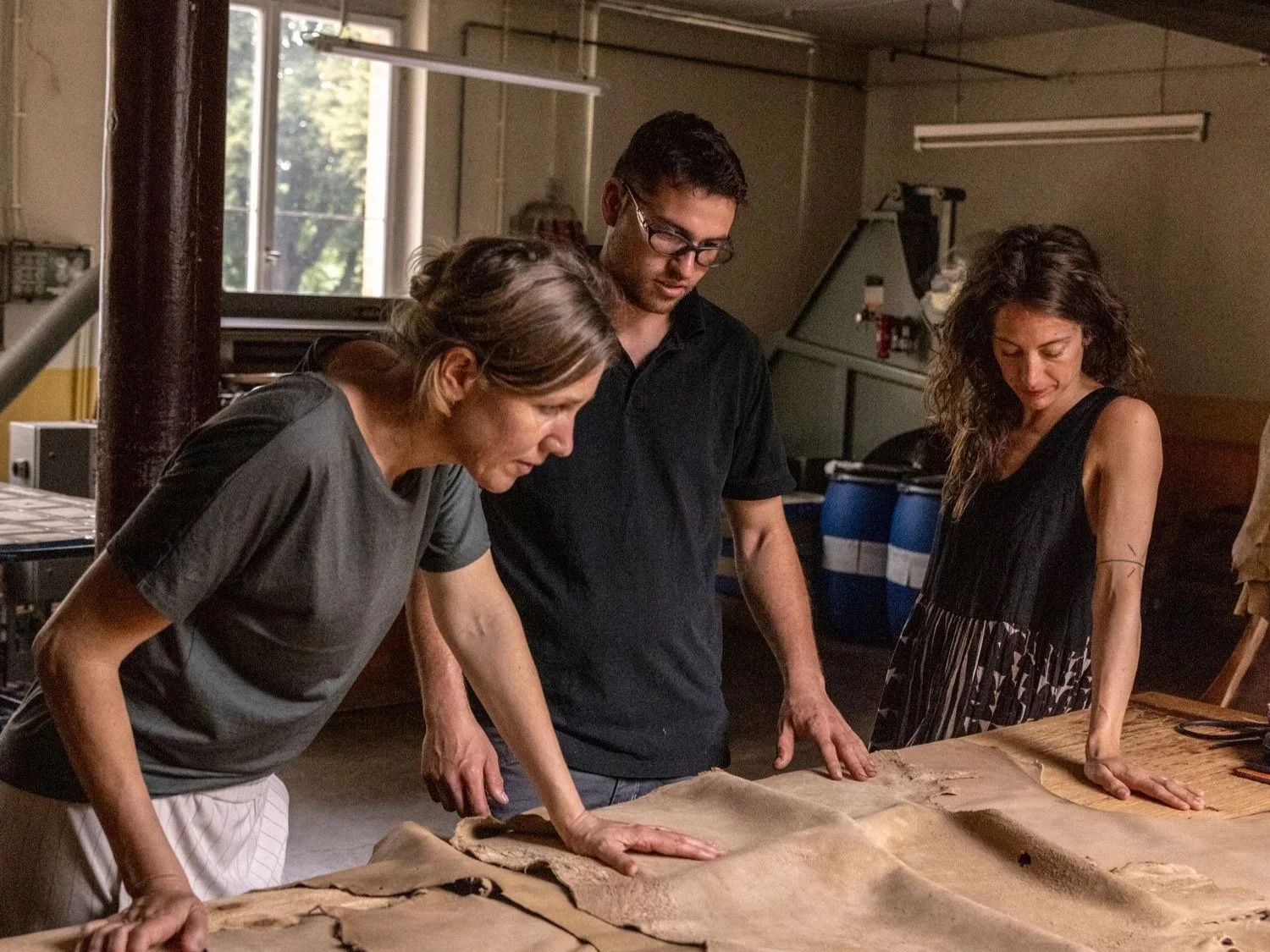
In recent years, a great deal has changed regarding leather. Sustainability is no longer just a 'nice-to-have' but a clear expectation for brands. At the same time, many myths and misconceptions circulate about where leather comes from, how it is produced, and the responsibilities brands have in this process.
Our conversations with customers, brands, and interested parties increasingly highlight that education is not a mere afterthought – it is a fundamental aspect of responsible product development.
As a team at CORII , we work daily on transparent supply chains. However, we quickly realized that a sustainable choice of materials alone is not enough. Education is just as crucial as the product itself.
Why leather education is so important
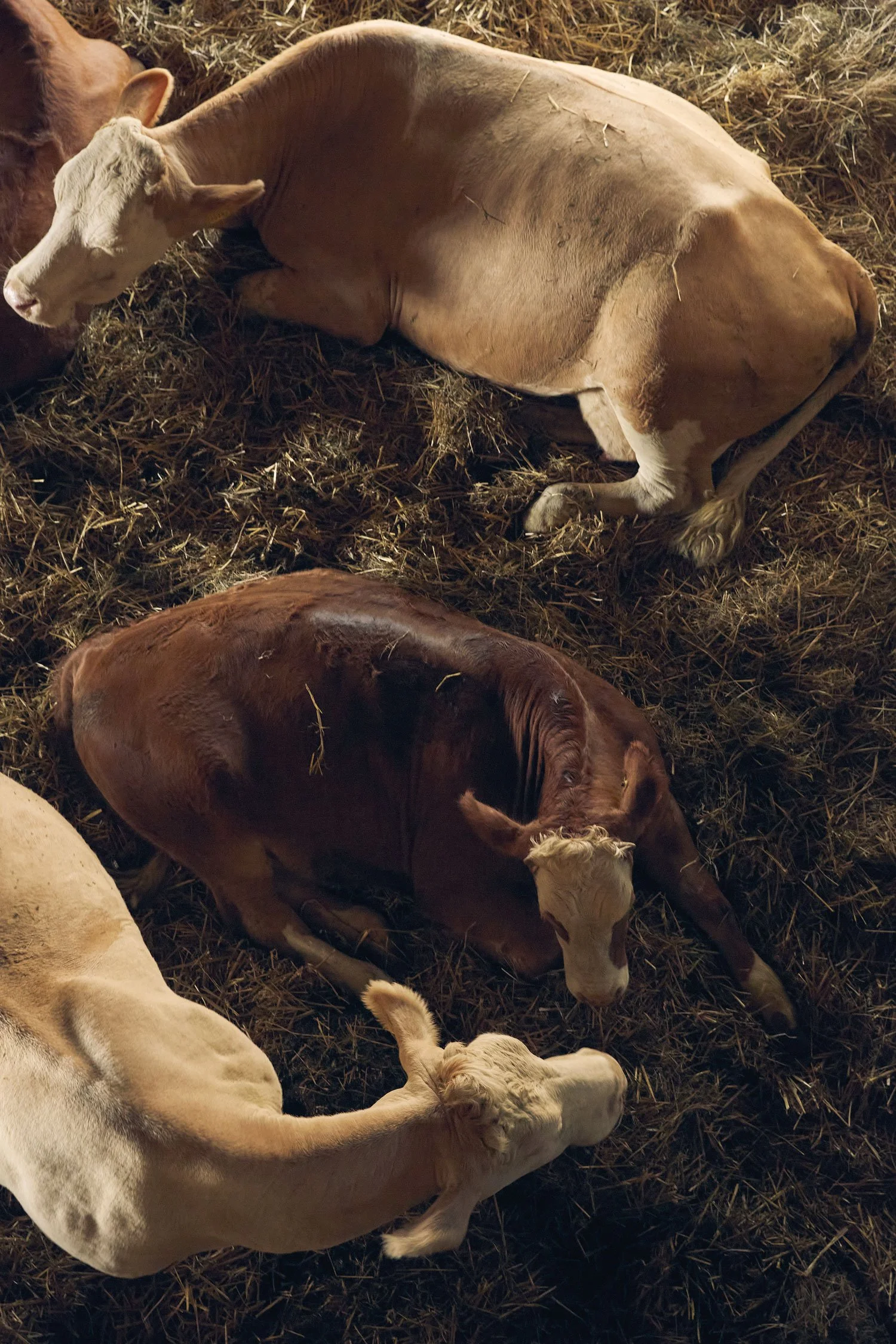
Many people still believe that animals are killed specifically for their leather. However, this is incorrect. Leather is a byproduct of the meat industry. Animal hides are generated regardless of whether they are processed into leather or not. Utilizing this byproduct effectively, rather than disposing of it, is not only resource-efficient but also ecologically sound.
Nevertheless, experience indicates that if brands fail to clearly communicate this connection, it leaves room for speculation and, consequently, uncertainty among consumers.
Therefore, it is important,
to transparently show the origin of the leather,
how it was processed,
and who was involved along the supply chain.
Only through this approach can trust be established, and genuine sustainability become evident.
Why Brands need to know the origin of their leather
Sustainability has emerged as a competitive factor. Customers are raising questions, seeking to understand the underlying context, and expecting clear answers.
For brands, this means:
Supply chains must be traceable.
Materials must be explainable.
Communication must be accurate, clear, and honest.
Those who don't know how their leather is produced cannot credibly represent it.
And those who cannot communicate it lose the opportunity to make their values visible.
Leading by example: Wildling Shoes – Deerskin with transparent origin
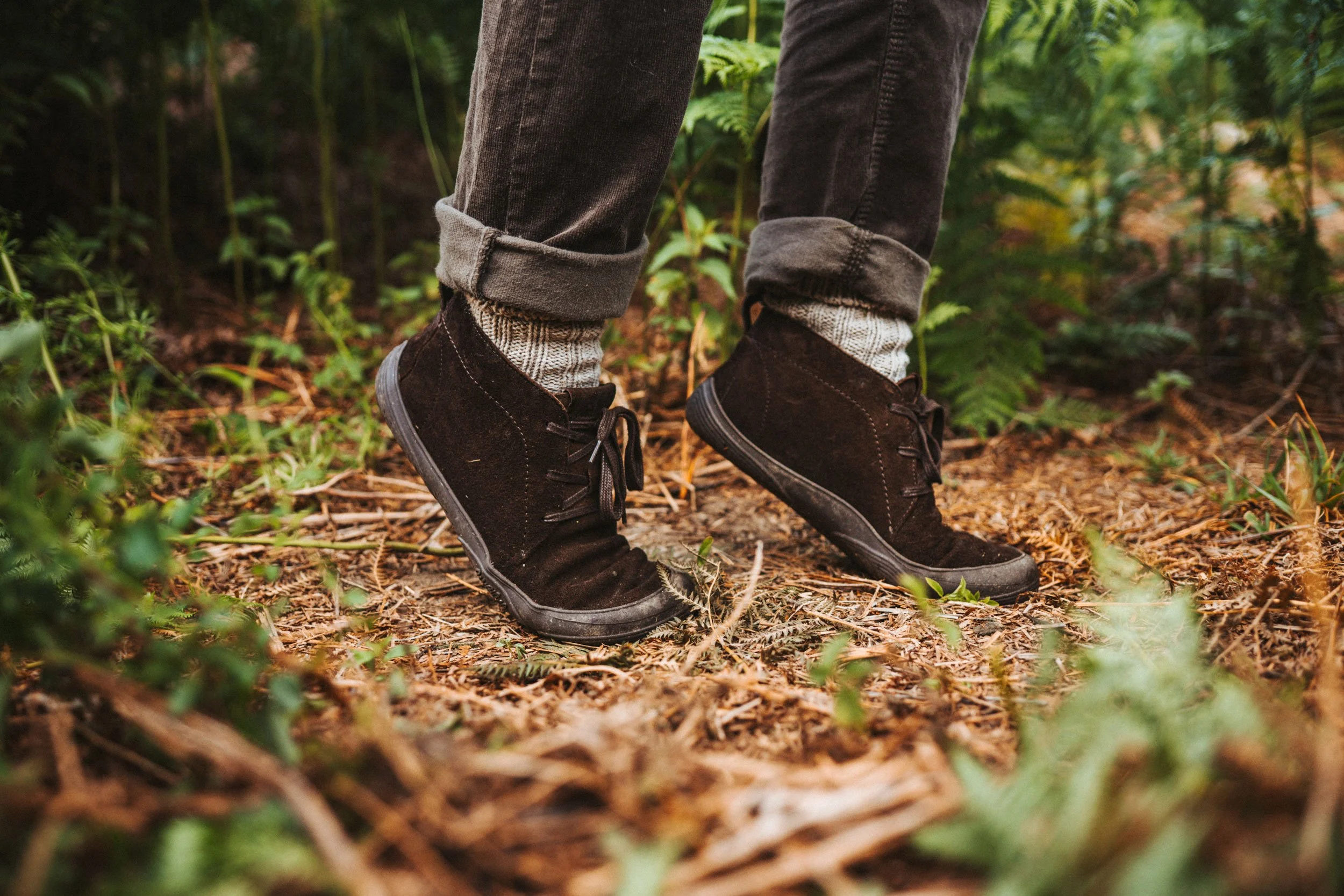
One project that has particularly shaped us is our collaboration with Wildling Shoes. For their first Wildling shoe made from deer leather, Nina Conrad – Project Manager at Regionales Leder – commissioned the development of a regional, vegetable-tanned suede.
The brand supported the launch with a detailed live video, answered community questions, and transparently demonstrated how the material was created. The dialogue quickly revealed how much misinformation still exists regarding leather.
The spectrum of opinions was broad, ranging from 'animals die for leather' to 'the leather industry is the dirtiest industry in the world.' However, it is precisely such moments that are valuable. They highlight the importance of education and reveal the impact brands can have when they share knowledge.
Our key takeaway: Sustainability doesn't stop at the material.
We don't just produce leather; we also produce knowledge. Our work doesn't end when the leather leaves the tannery. We support brands by:
To correctly classify materials,
To dispel myths,
To ensure communication is transparent and precise.
Because a sustainable product is only credible if its story is told clearly and honestly.
If your brand works with leather – or is considering it – we would be happy to support you:
in establishing transparent supply chains;
in material selection;
in communication;
in educating your community.
CORII stands for genuine transparency – from raw material to the story behind it.
Let's work together to give leather the understanding it deserves.