
Sustainable Leather Forum in Paris: Global politics, self-praise, and a glimmer of hope from Normandy
On September 7th, the international leather industry gathered for the 8th time at the Maison de la Chimie in Paris. Around 150 participants came together, ranging from agriculture and politics to major brands and the French leather industry with its tanneries and workshops.
The Impact of the Leather Industry on Agriculture
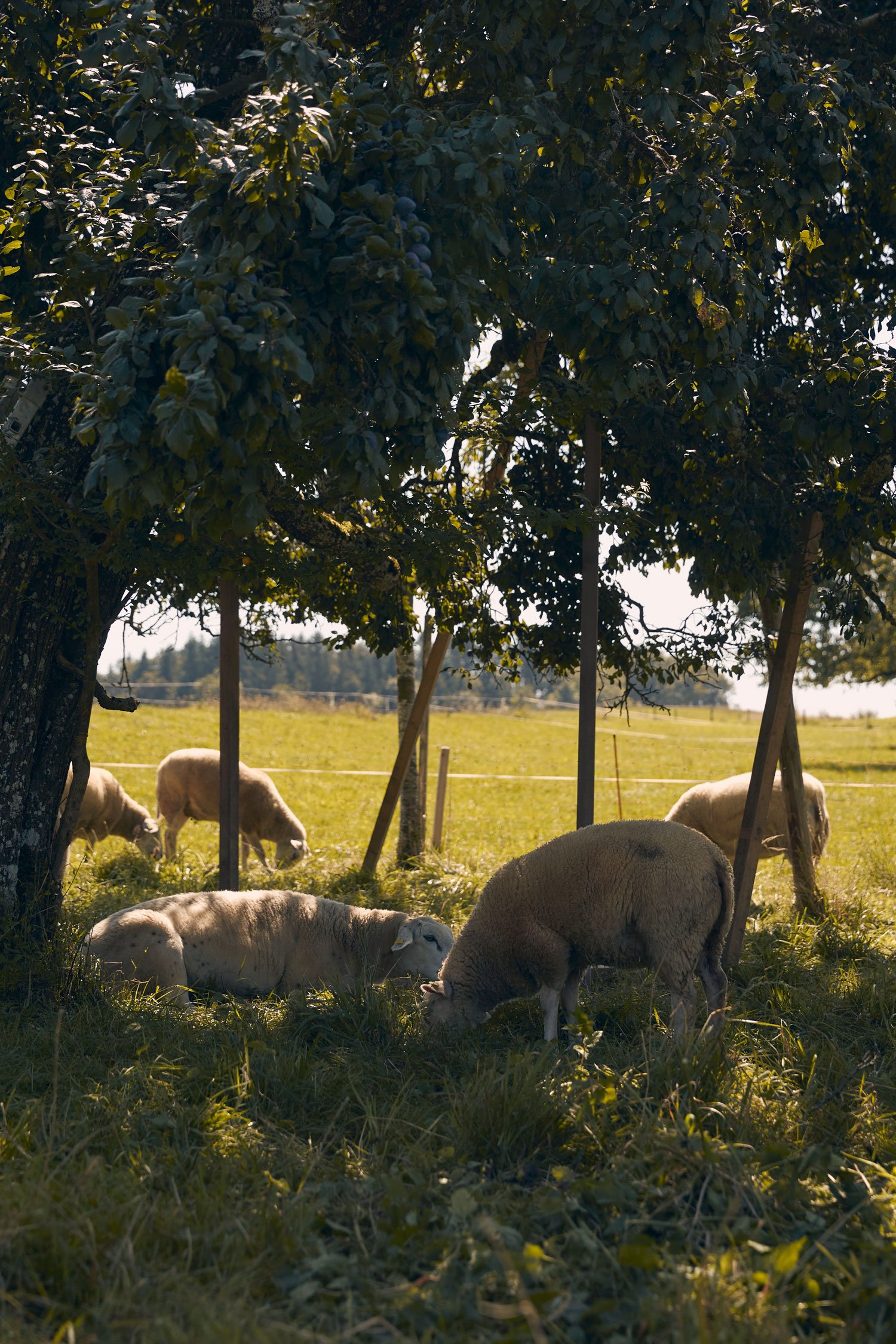
I hear this phrase over and over again: that leather is a driving force behind cattle farming, and that leather consumption is therefore a lever to control how many animals are kept – and above all, how. Less demand for leather equals less animal suffering, so the reasoning goes. That sounds logical, except it has very little to do with the reality of agriculture.
A Look Behind "Made in Italy"
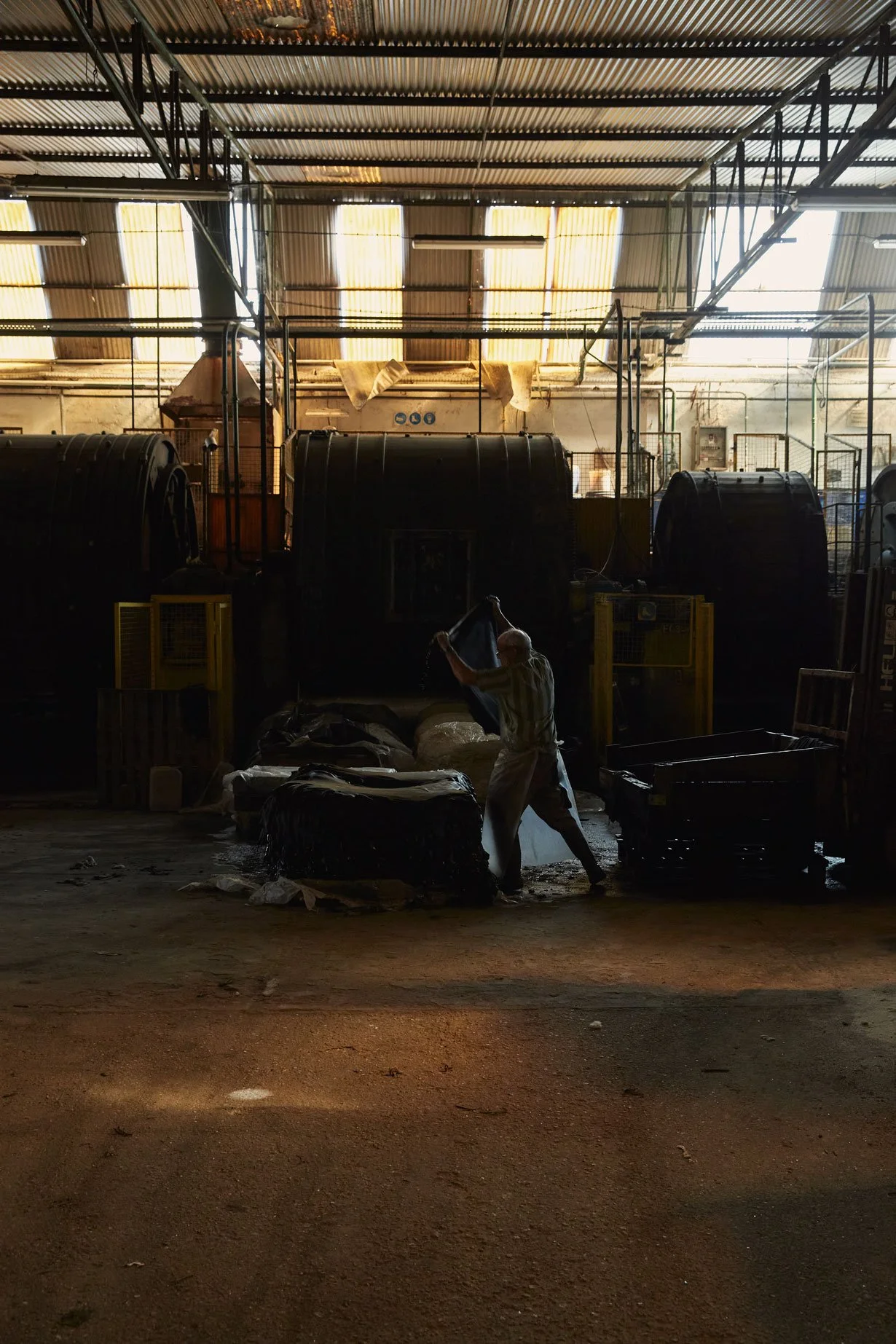
For many, "Made in Italy" automatically stands for the highest quality, craftsmanship, and luxury. This reputation is deeply rooted, especially in the world of leather. Yet behind the scenes, a different picture emerges: country of origin and a promise of quality are not the same thing.
Vegan Leather: Why I find this term problematic
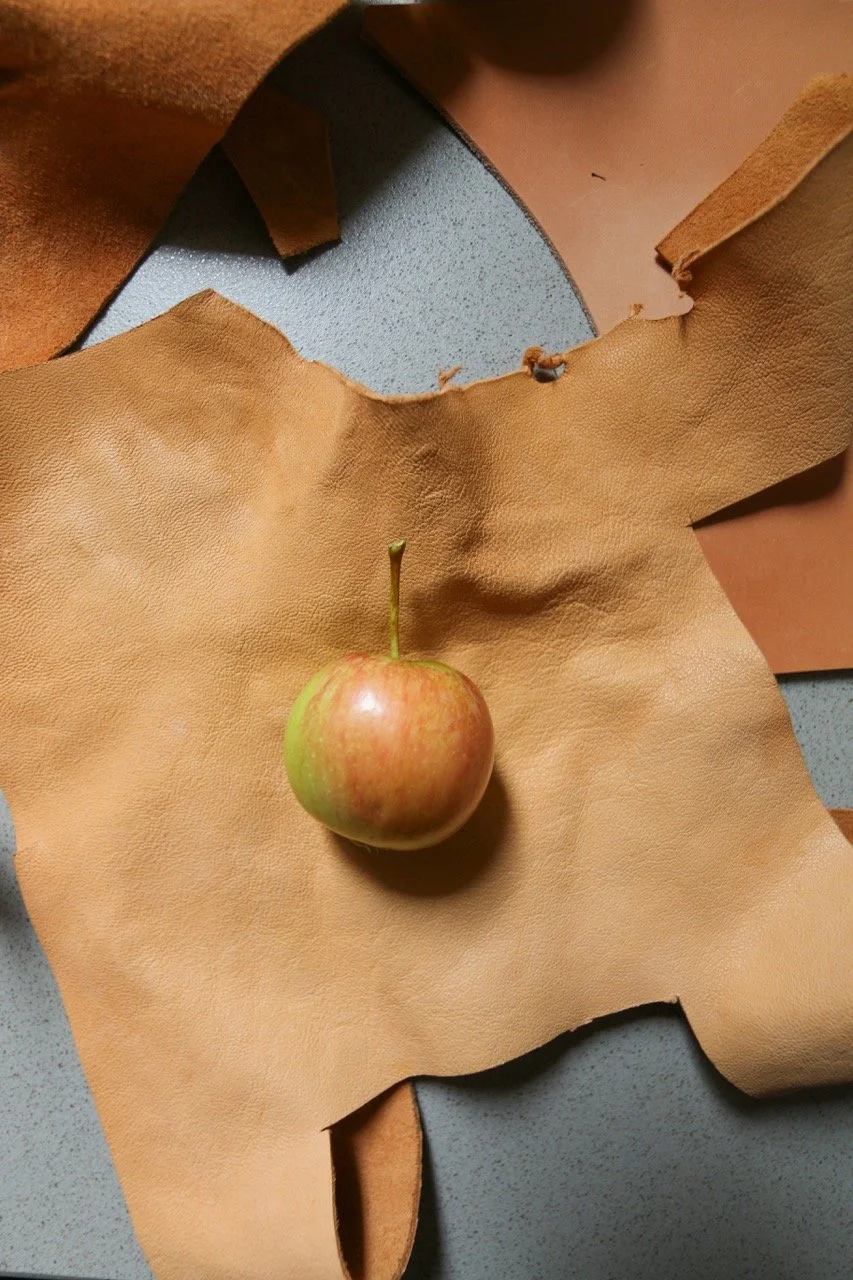
I don't wear leather unless I know how the animal lived that provided the hide. The question I ask myself is the same as with 'vegan' leather: What is truly inside?
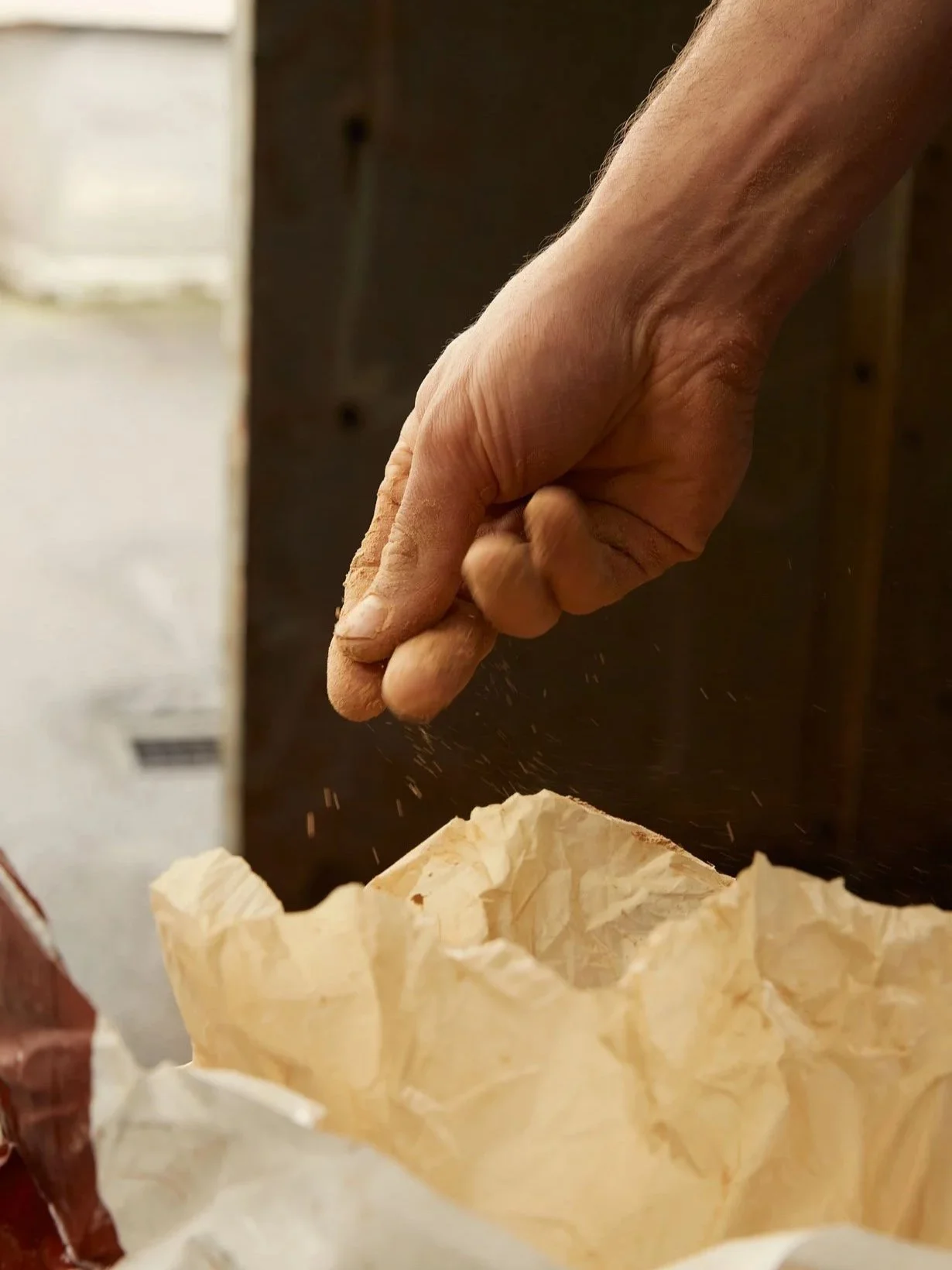
Is “vegetable-tanned” always better?
Vegetable-tanned leather is often portrayed as particularly “sustainable.” But the reality is more complex: Tanning is just one step in a long leather-making process—and a single step does not automatically make leather more environmentally friendly or of higher quality.
Future Fabrics Expo: Beautiful Faces, Open Questions
The Future Fabrics Expo in Brussels was a wonderful experience. I met many familiar faces, people who have been advocating for alternative supply chains for years. Such events and encounters foster a sense of belonging to a truly committed movement. And yet, I returned home with a question that has stayed with me ever since: How much of what is showcased here truly contributes to genuine change?
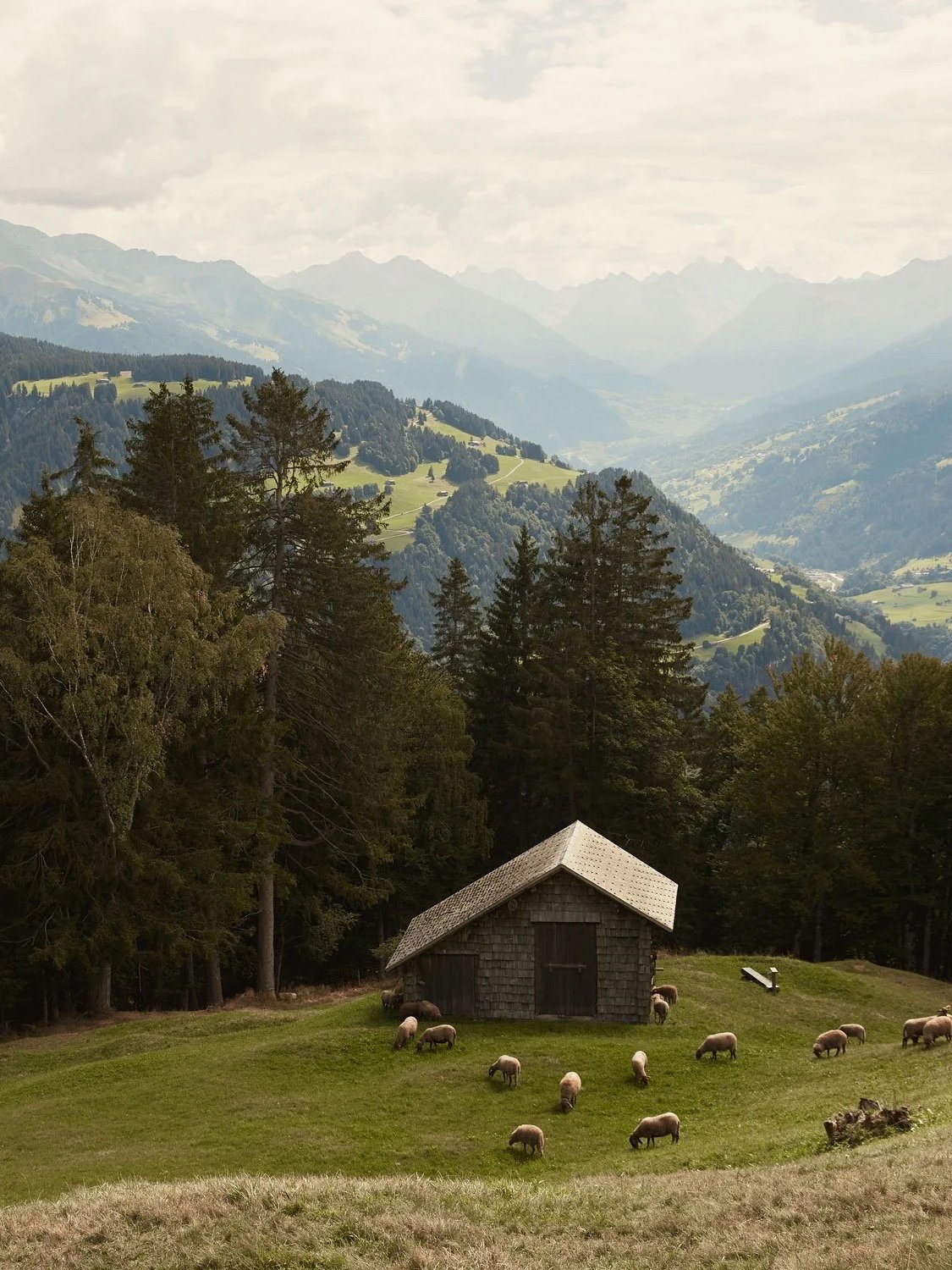
Regional = sustainable?
Regional is often equated with sustainability – incorrectly. While 'regional' initially suggests short distances, proximity, and responsibility, origin alone does not provide information about environmental impact, social conditions in production, or material quality.
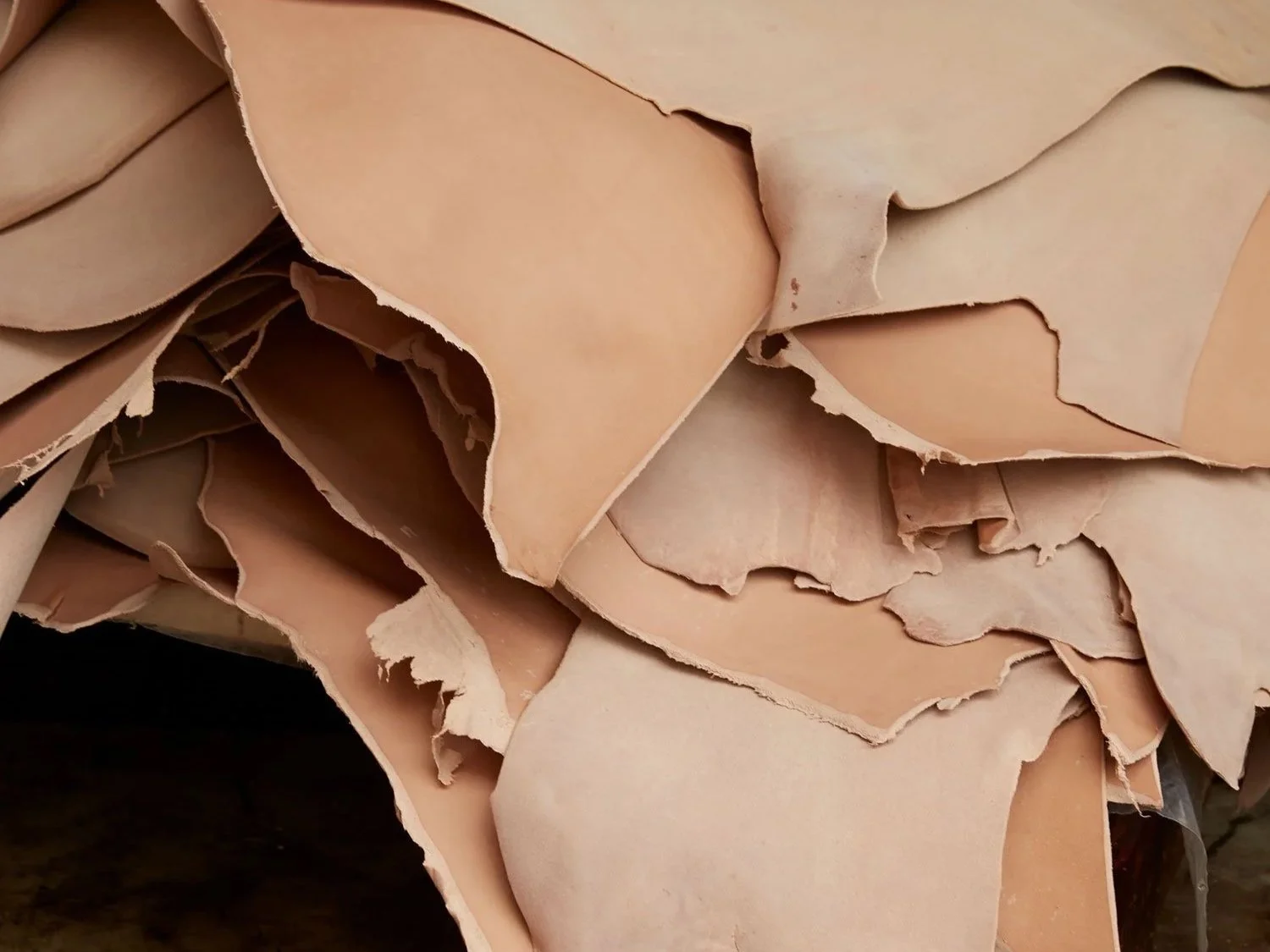
EUDR Exception for Bovine Leather: Relief with Open Questions
The EUDR—the EU Regulation on Deforestation—has long been a source of uncertainty in the leather industry. This makes a recent development all the more noteworthy: cowhide leather is set to be excluded from the scope of the regulation. The rationale is clear—and hits the nail on the head. Leather is not considered a driver of deforestation, but rather a byproduct of the meat industry.
Regional Leather is becoming CORII
'Regional Leather' is now CORII. This transition represents more than just a renaming. What began as a clear commitment to origin has evolved into something greater: an approach that considers material not in isolation, but within the broader context of processes, systems, and responsibility.
We are celebrating: The OEKO-TEX® LEATHER STANDARD certification is finally here!
It's finally official: Our black and undyed cowhide leather has been certified according to the OEKO-TEX® Leather Standard – Product Class I, the baby class. For us, this is not just a label, but proof that our leather products are free from harmful substances – and this is consistently, measurably, and independently tested.
EU Regulations: What's next for the leather industry?
In the leather industry, terms like "REACH", "PFAS", and "Bisphenols" are frequently encountered. However, many smaller brands wonder: What do these terms specifically mean for my business? Which regulations are truly on the horizon, and how can I ensure I'm not caught off guard, either legally or economically?
Why education about leather is crucial for brands
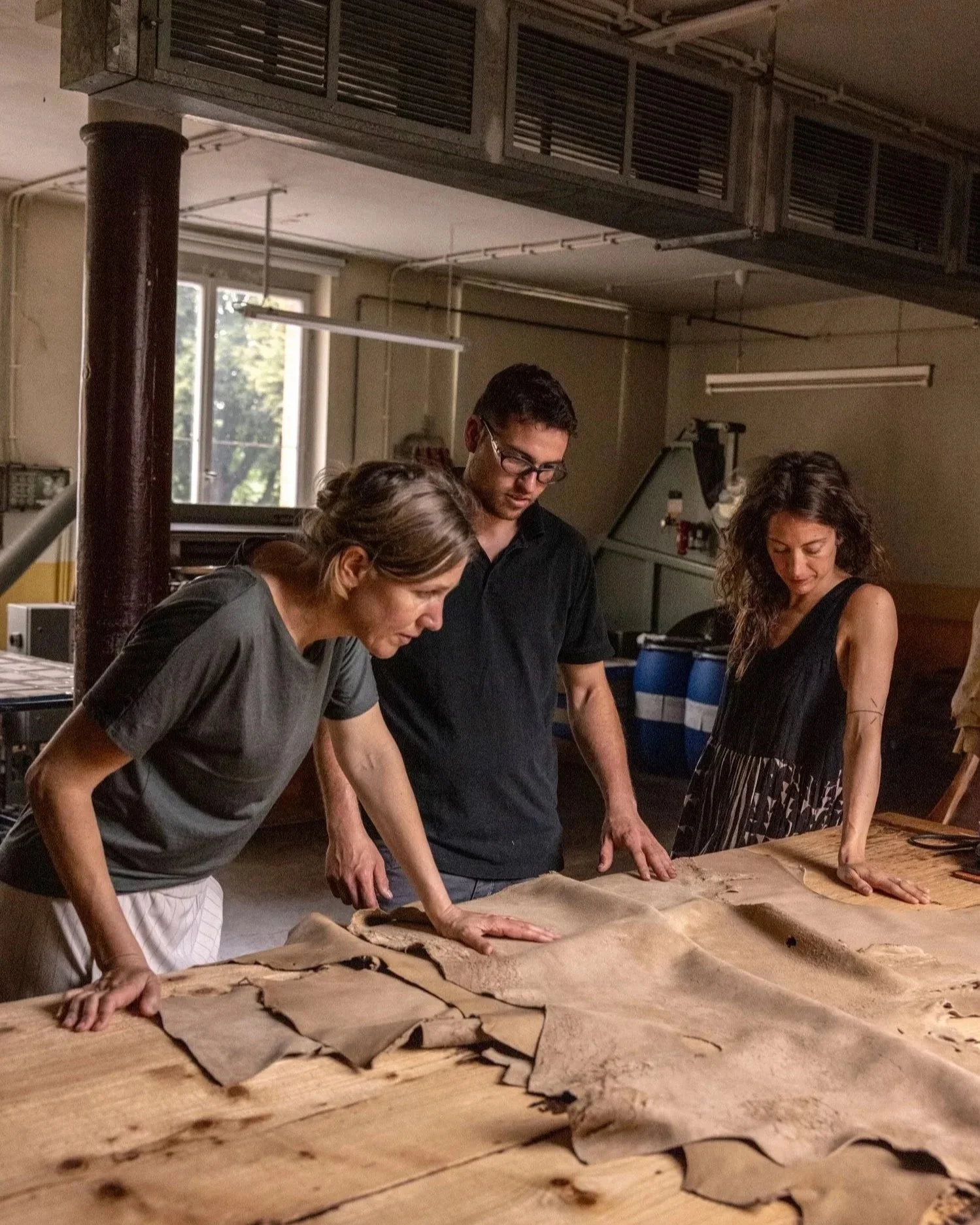
In recent years, a great deal has changed regarding leather. Sustainability is no longer just a 'nice-to-have' but a clear expectation for brands. At the same time, many myths and misconceptions circulate about where leather comes from, how it is produced, and the responsibilities brands have in this process.

What the EUDR means for the leather industry
In recent months, the EUDR, the new EU Deforestation Regulation, has been widely discussed. The term now regularly appears in specialist articles and industry discussions, often accompanied by some apprehension. It is clear that the EUDR will bring profound changes to many sectors of the agricultural and raw material industries – including the leather industry.
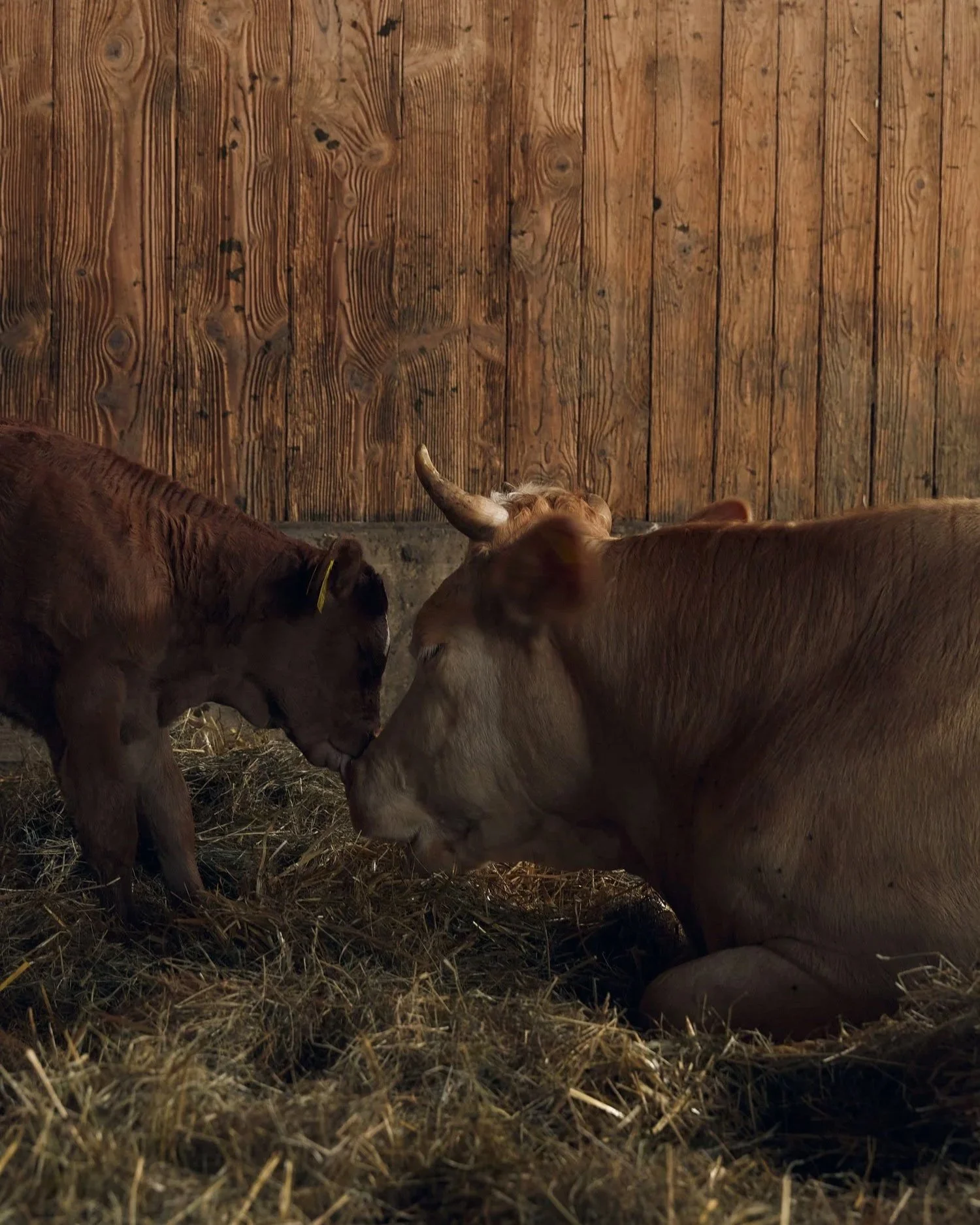
Trust over labels – our stance on certificates
Does sustainability require a certificate? This question often comes up. Many people believe that only those who bear a seal are truly sustainable. However, we view this more nuanced – and state clearly: Not necessarily. For us, sustainability begins with transparency. In this blog article, we take a look at certificates and their significance.
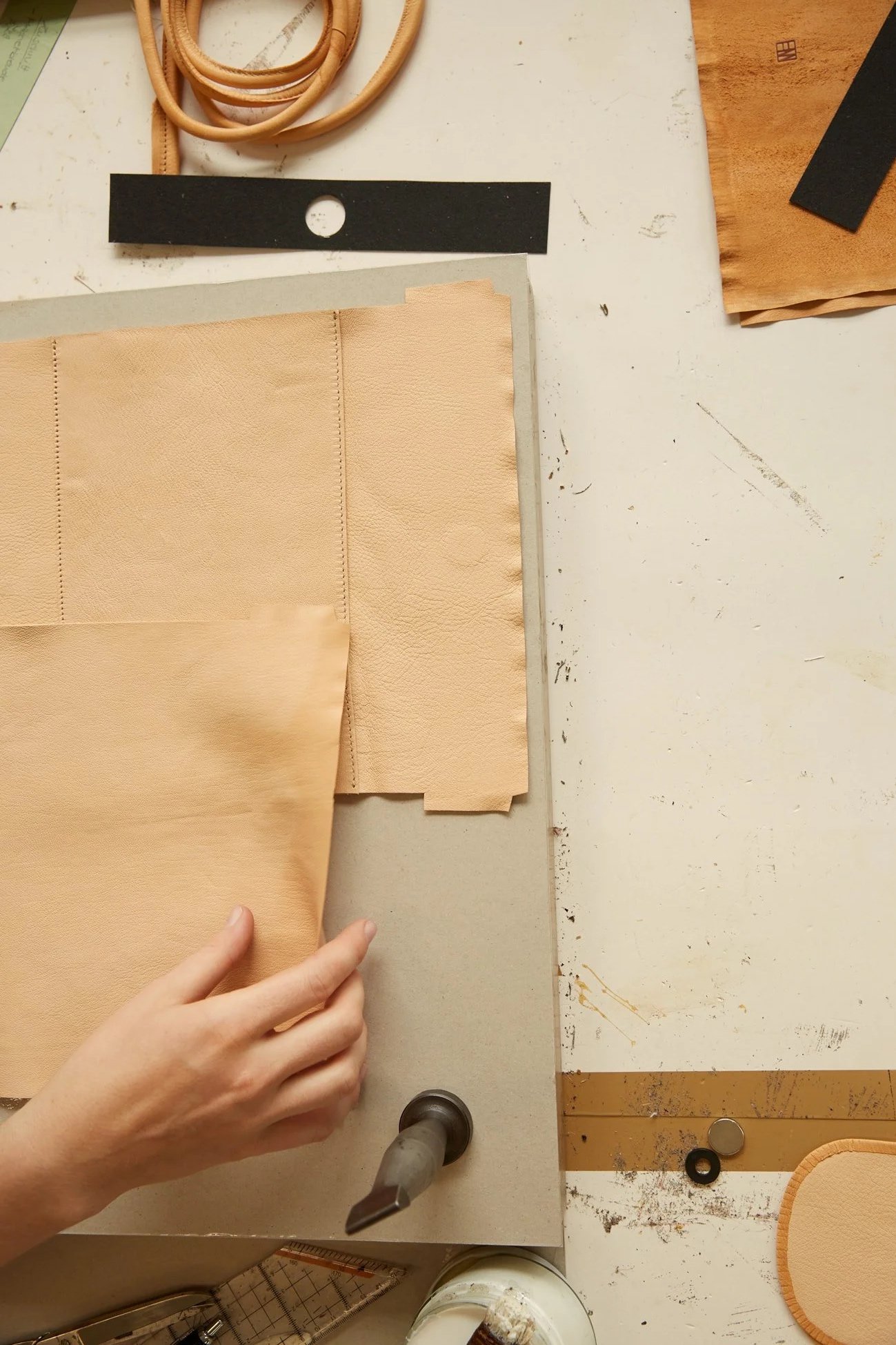
Leather Workshop Switzerland: Knowledge, Craftsmanship, and Genuine Insights
What makes leather sustainable? How is it produced and how can one work with it responsibly?
In our workshops, we focus on one thing: genuine transparency. Because in a time when terms like 'genuine leather' or 'sustainable' are often used indiscriminately, we believe that only those who understand where leather comes from and how it is processed can make informed decisions, whether as a consumer, designer, or company.

Leather in architecture? Yes, it's possible!
There are materials that immediately resonate with us through their texture, scent, and presence. Leather is one such material. And while it has been used for centuries, we are now witnessing its evolving role in architecture and interior design: no longer just a decorative embellishment, but a genuine design element.

Leather trousers - crafted by hand
The garments and belts from MARAI are produced in a small family business in Oporto, Portugal. The sibling duo who run the workshop have been working with the utmost precision for many years – supported by two seamstresses and an elderly gentleman who handles the cutting.

What is semi-aniline leather?
Our apparel leather is a semi-aniline leather. This means it features a light pigmentation – a thin layer of color that protects the leather without obscuring its natural surface. Consequently, the surface largely retains its natural character, and the leather's pores remain open.
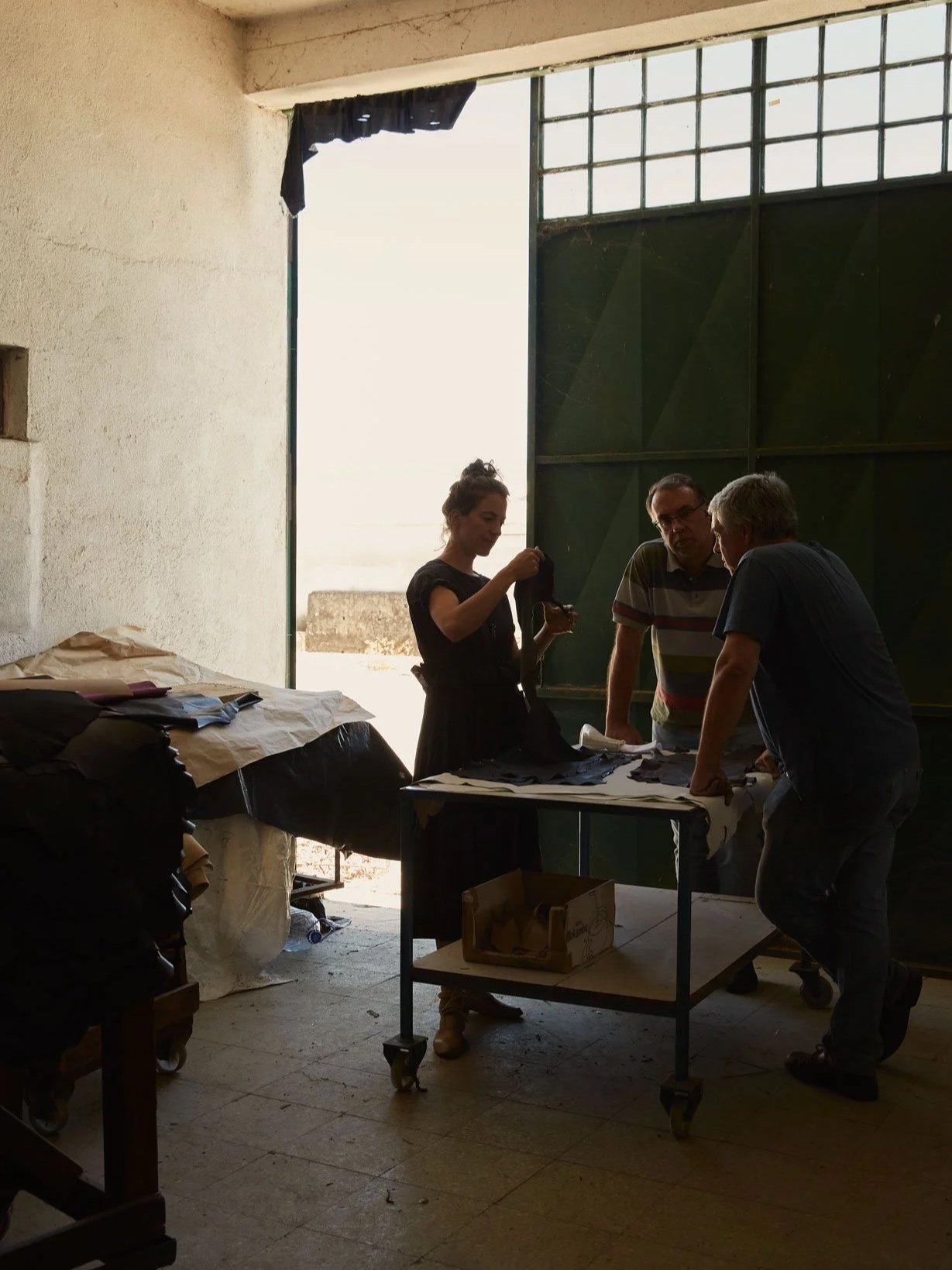
Not all leather is the same
I only truly understood that not all leather is the same when I began to delve deeper into the material. The term 'leather' can encompass a wide range of products: from heavy, vegetable-tanned saddlery leather to delicate lamb nappa used for jackets.

Leather - the finishing touches for the finished material
Although the leather is stabilized after tanning, it still undergoes several processing steps before it acquires its final properties. Each of these steps significantly influences how flexible and durable the leather becomes.