
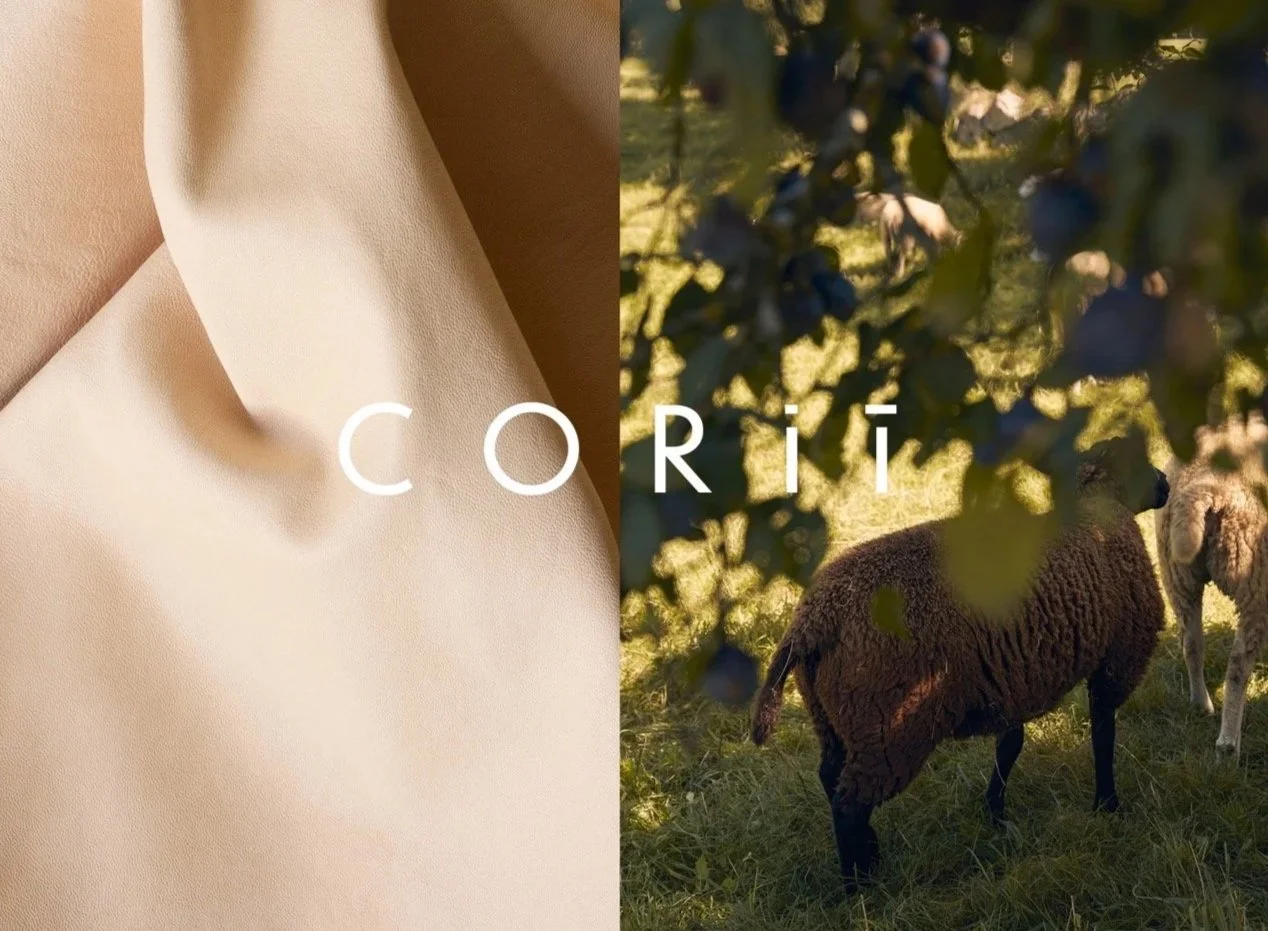
Regional Leather is becoming CORII
When a Name Becomes too Small
Names are rarely neutral. They categorize, set expectations, and create closeness or distance. And sometimes they become too restrictive for what has emerged from them.
“Regional Leather” was one such name. It was precise and traceable, yet ultimately limited. It described what we did, but not how we thought. It conveyed origin, but not our underlying philosophy. What began as a project has long since evolved: we now advise, develop, and support brands, and we critically examine processes. We work not just with materials, but with the systems that produce them. As we grew, it became clear that a purely descriptive name no longer sufficed. It explained, but it didn't persuade. It located, but it didn't define.
CORII is the result of this.
Derived from the Latin corium – skin, leather – the name alludes to the material's origin, yet extends beyond it. The simplification to CORII is intentional: clear, distinctive, and internationally readable. The double ending provides rhythm to the word, while also creating distance from its mere function. CORII is not a label, but a framework. One that allows material, knowledge, and ethos to be considered holistically – without being confined by a geographical designation. What started as 'Regional Leather' is now part of a broader context. To fully grasp this connection, it is worth taking a step back.
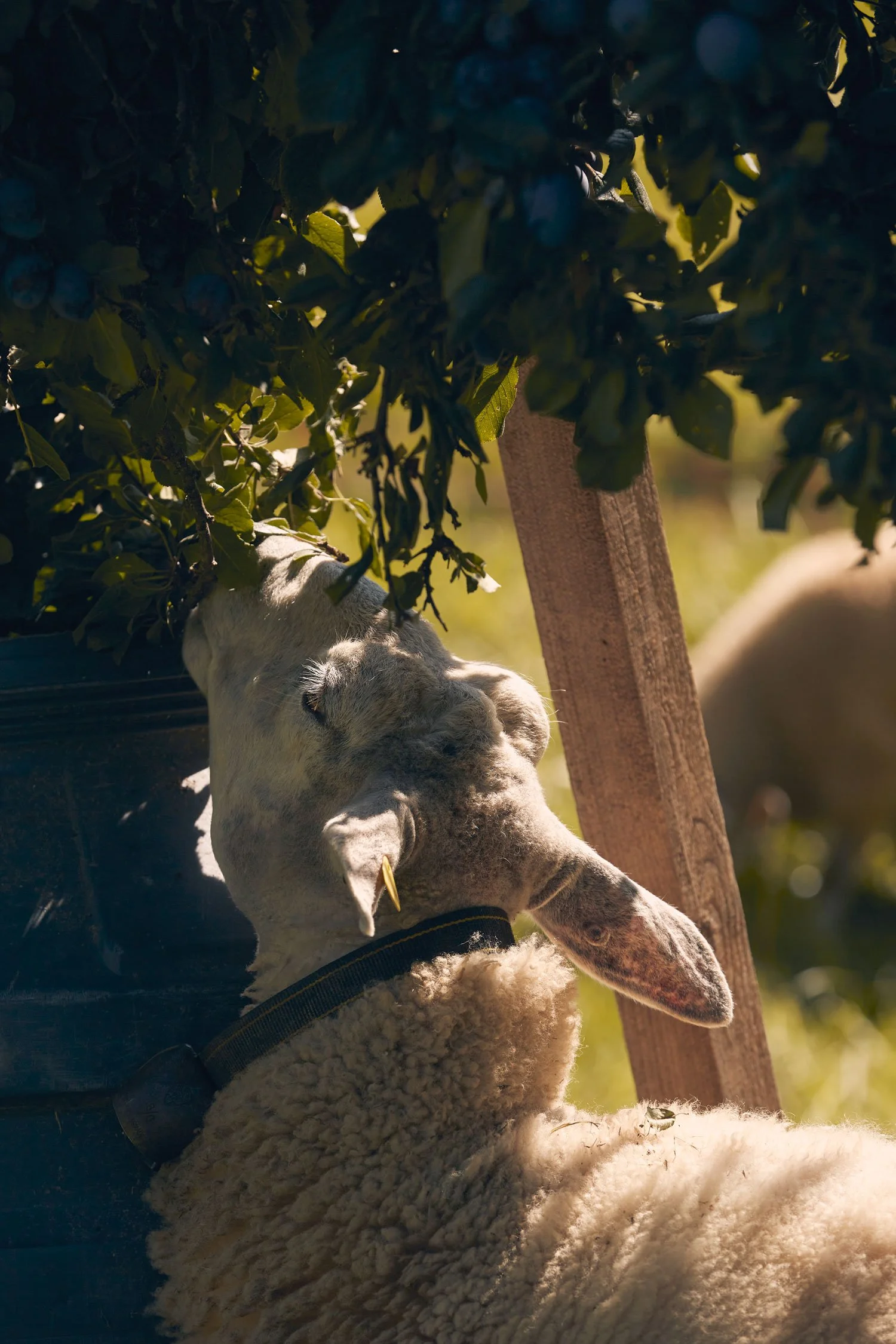
For that is precisely where one of the fundamental misunderstandings of our time lies: We talk about materials as if they were isolated, as if they were created detached from agriculture, processing, and decisions. Leather, in particular, shows how fragile this notion is.
Today, its production is mostly part of global, opaque supply chains. Chemical processes remain invisible, origin becomes a mere claim, and responsibility is distributed so widely that it is barely tangible. Simultaneously, animal hides are disposed of elsewhere, not due to a lack of quality, but due to a lack of a proper system. In parallel, synthetic alternatives are establishing themselves, whose promises of sustainability rarely reflect the full reality. This is a situation characterized less by solutions than by shifts.
CORII takes a different approach: its focus is not merely on the product, but rather on responsibility and transparency from the very beginning.
Nothing to hide is not merely a slogan, but a standard. Here, transparency means more than selective disclosure; it signifies traceability: from the animal, through the tanning process, to the finished material. Origin is not merely asserted, but clearly demonstrated. Processes are not glossed over, but made understandable.
This fundamentally changes our perspective on leather. It is not an isolated material, but part of an existing cycle. The hide is not produced for the product itself, but as a consequence of food production. Not utilizing it, but instead disposing of it, is not progress but a disruption in the system.
This context begins in agriculture. Not in its industrialized form, but in systems that rely on cycles — organic, biodynamic, regenerative. In these systems, animals are not a disruptive factor, but an integral part of a natural balance. Not in mass, but in proportion.
The animal is not the problem. It is the system in which it is kept.
Nothing to Hide
CORII operates precisely at this intersection. Our leathers are exclusively produced from the hides of animals sourced from responsible agriculture and from hunting within the surrounding ecosystem. Processing is regional, and tanning is vegetable-based, free from heavy metals and toxic chemicals. However, these facts are not the core principle. They are the logical outcome of an approach that aims not to simplify complexities, but to reveal them.
The real challenge lies in the distance we have created from materials. The less we know about their origin, the easier it becomes to view them as neutral. Decisions appear aesthetic or functional, while their consequences remain invisible.
CORII sees itself as a counter-concept to this decoupling. Not as a return to the past, but as an attempt to place material back into a context; one that is visible, traceable, and accountable.
Therefore, the transition from 'Regional Leather' to CORII is more than just a renaming. It marks a shift: away from description, towards definition. Away from mere origin, towards a guiding philosophy. CORII functions not only as a name but as a principle — one that extends through its products, processes, and partnerships.
In a time when surfaces are perfected and origins are obscured, true quality may lie precisely where nothing is concealed.
Nothing to hide is not a promise of flawlessness. It is the decision to reveal complexity and no longer outsource responsibility.
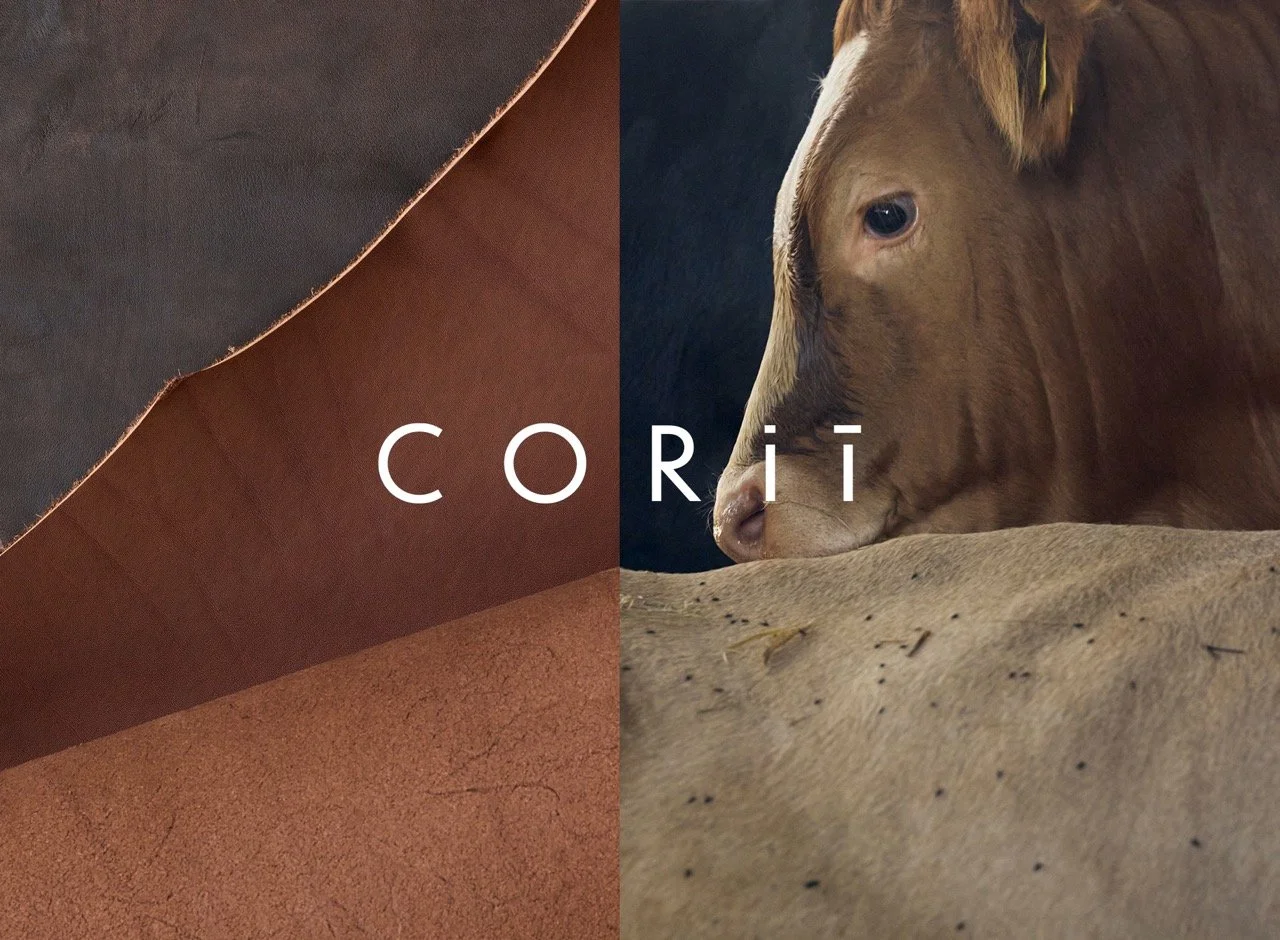
Thank you for having been part of the 'Regional Leather' journey.
Today, we are expanding our vision: CORII embodies an expanded understanding of materials, serving as a competence center that not only provides leather but also consolidates expertise, develops processes, and guides brands throughout the entire value chain.
→ Discover our services and approaches here.
→ Learn more about our leather range.