Good to Know
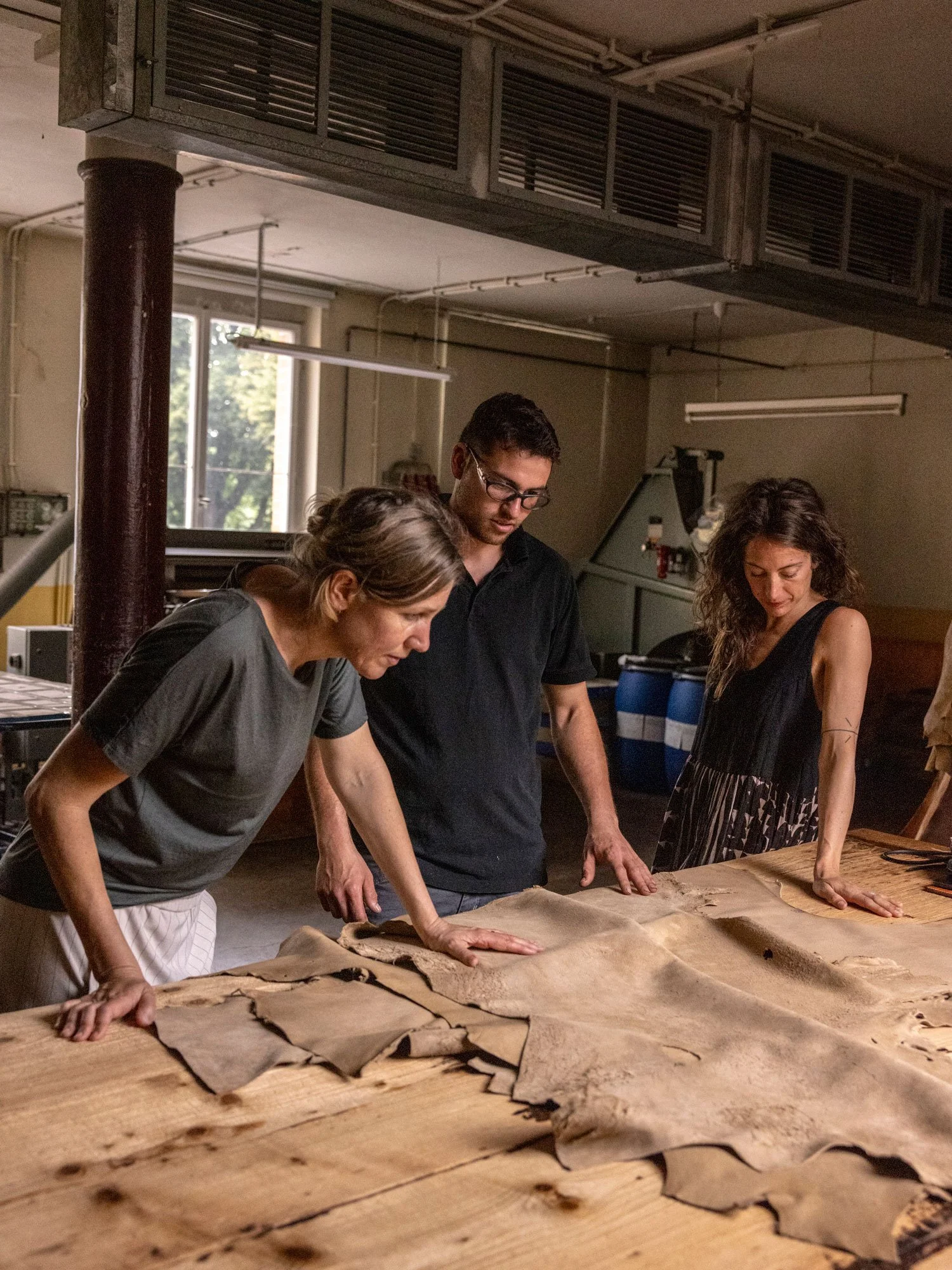
Leather tells stories.
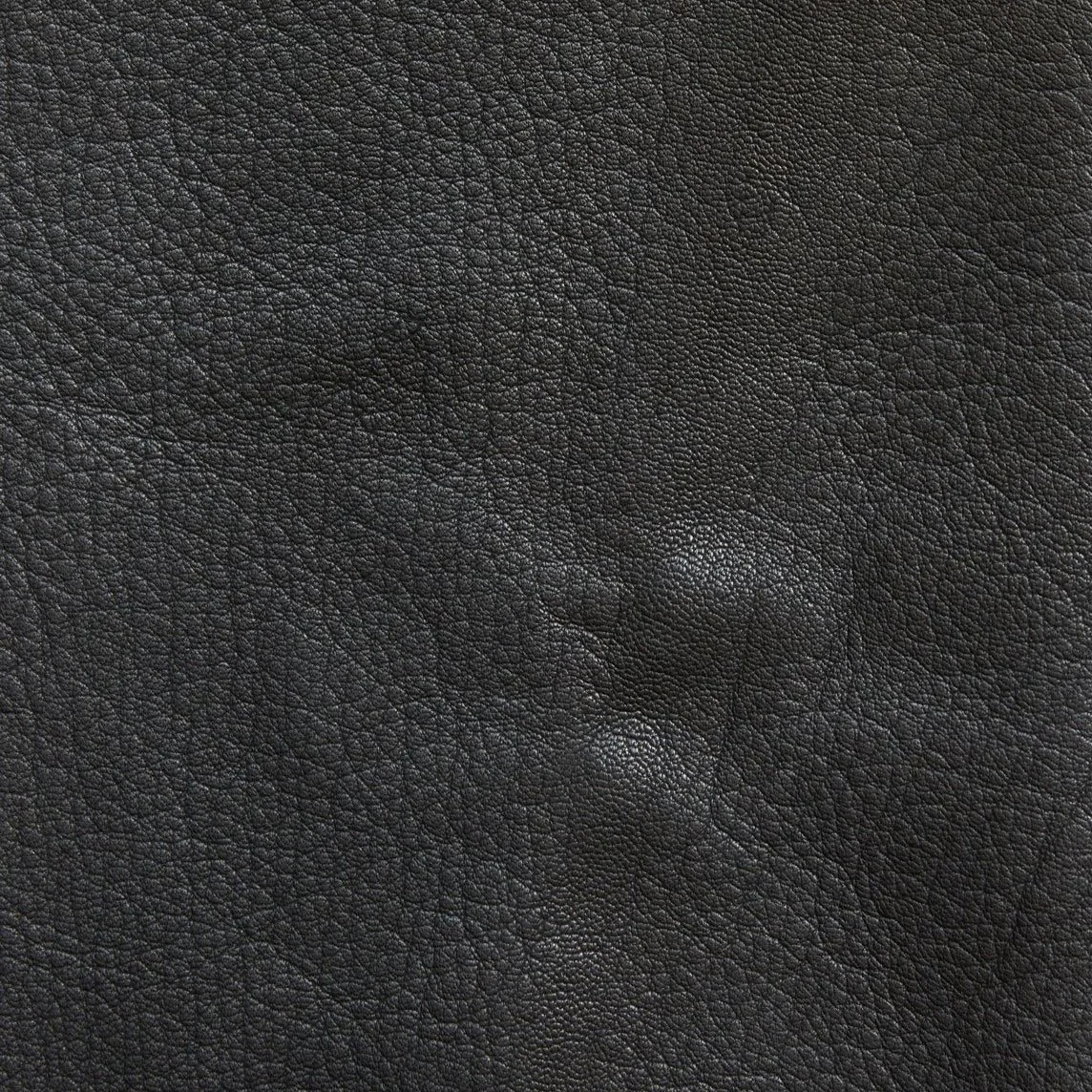
Scars, wrinkles, neck grooves, and minor irregularities are not flaws – they are signs of a real life and natural characteristics of full-grain leather. They arise from movement, weather, and contact with other animals, from time spent in pastures rather than in stalls. We deliberately work with full-grain leather, where these characteristics remain visible. Therefore, we forgo coatings and corrective surface treatments. Each piece remains as it developed: individual, vibrant, honest.
The Path of Leather
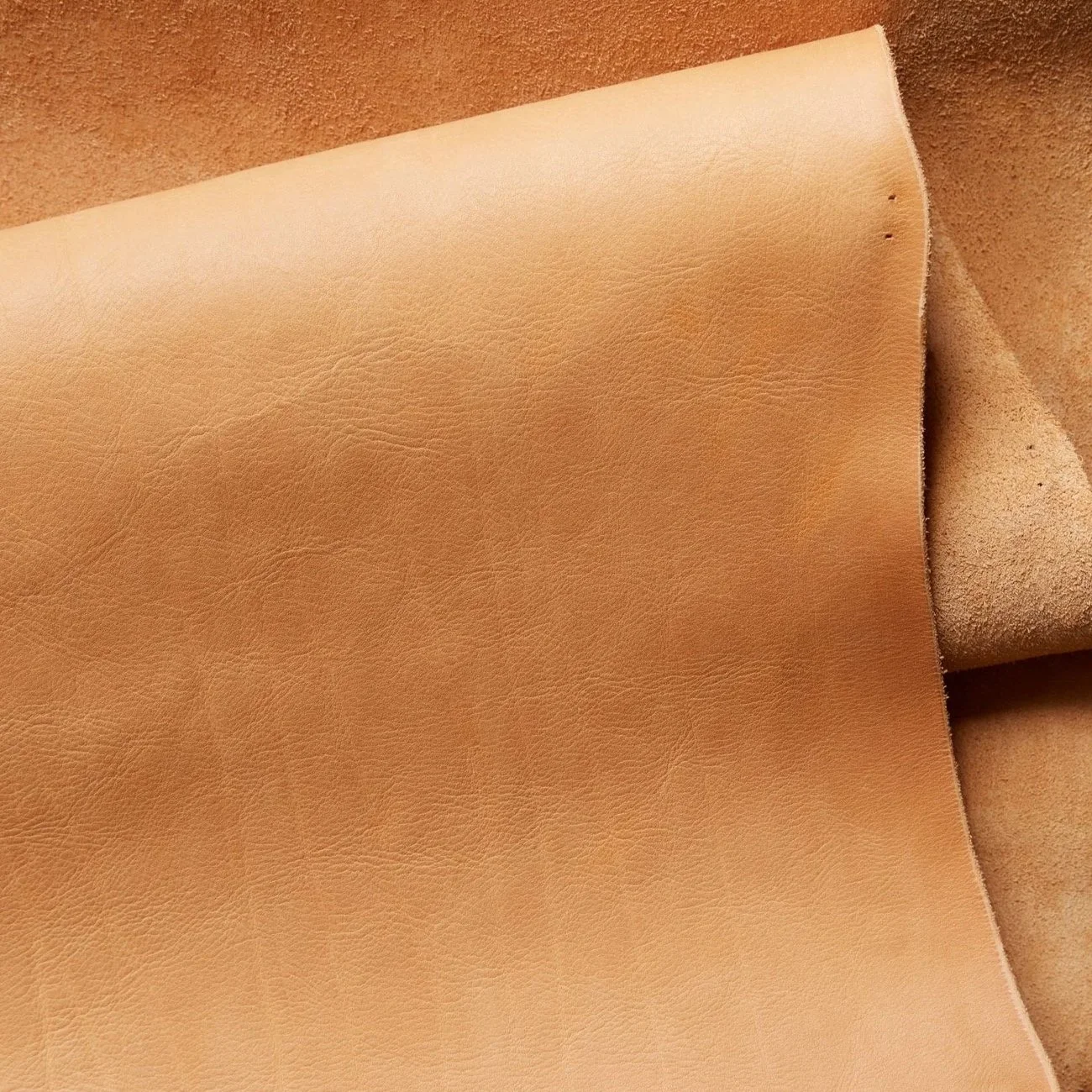
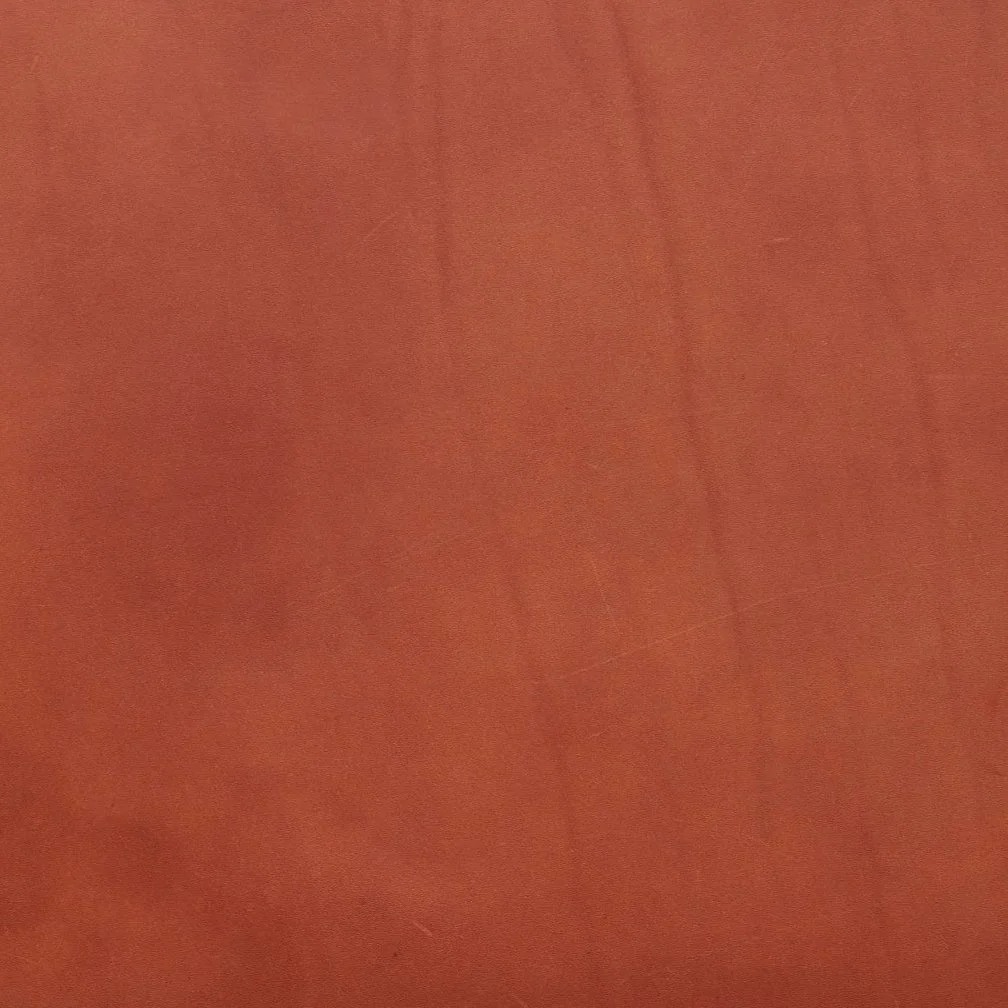
From the organic and biodynamic farm, through vegetable tanning, to the manufacturing process – every step is local, transparent, and consciously chosen. Learn more about each individual step in our blog.
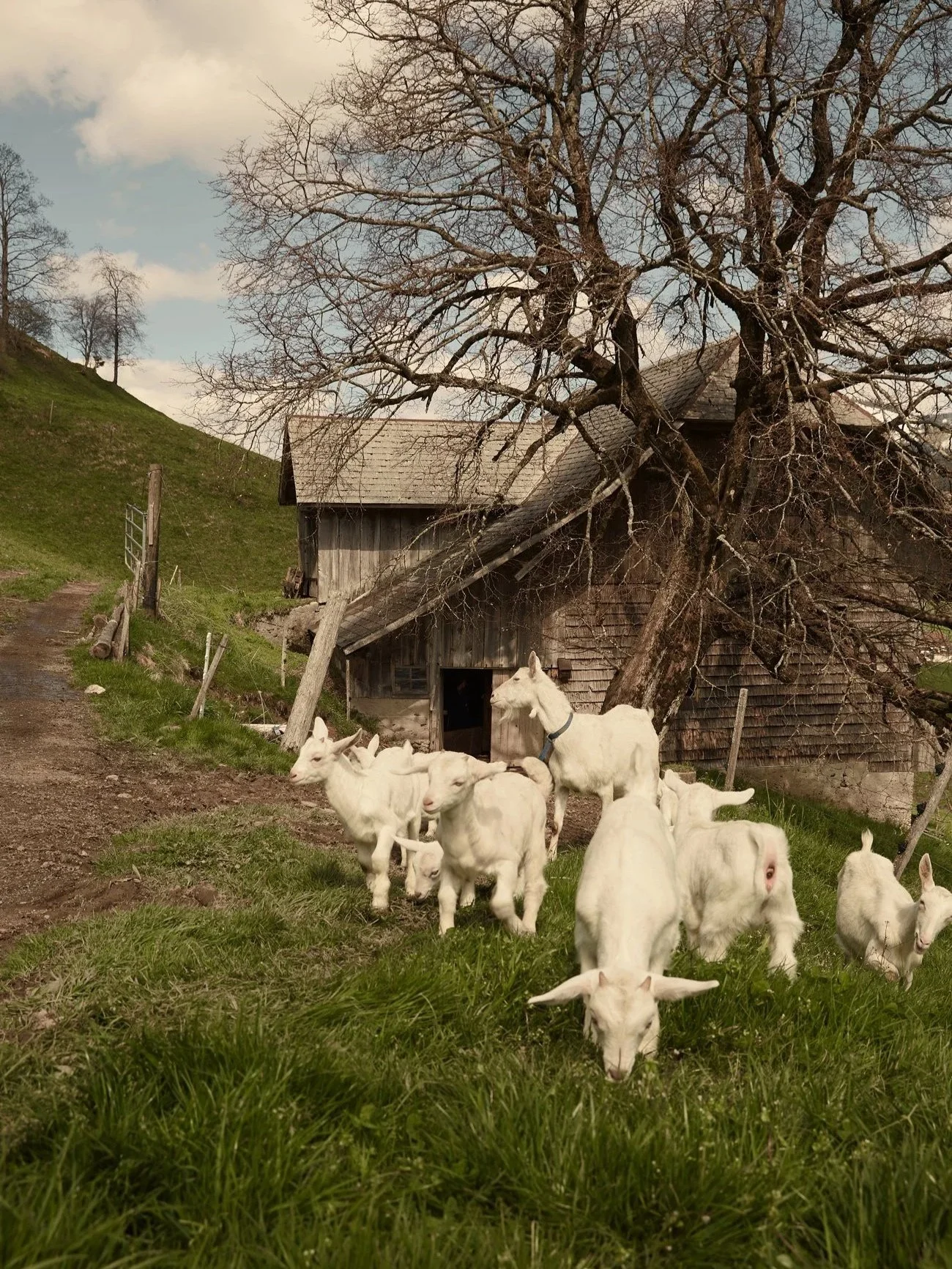
Agriculture Our leather begins on organic, biodynamic, and regenerative farms—with animals that graze in pastures, build up the soil, and are part of a functioning ecosystem. The hide is a byproduct of meat production: valuable, naturally available—and far too often discarded.
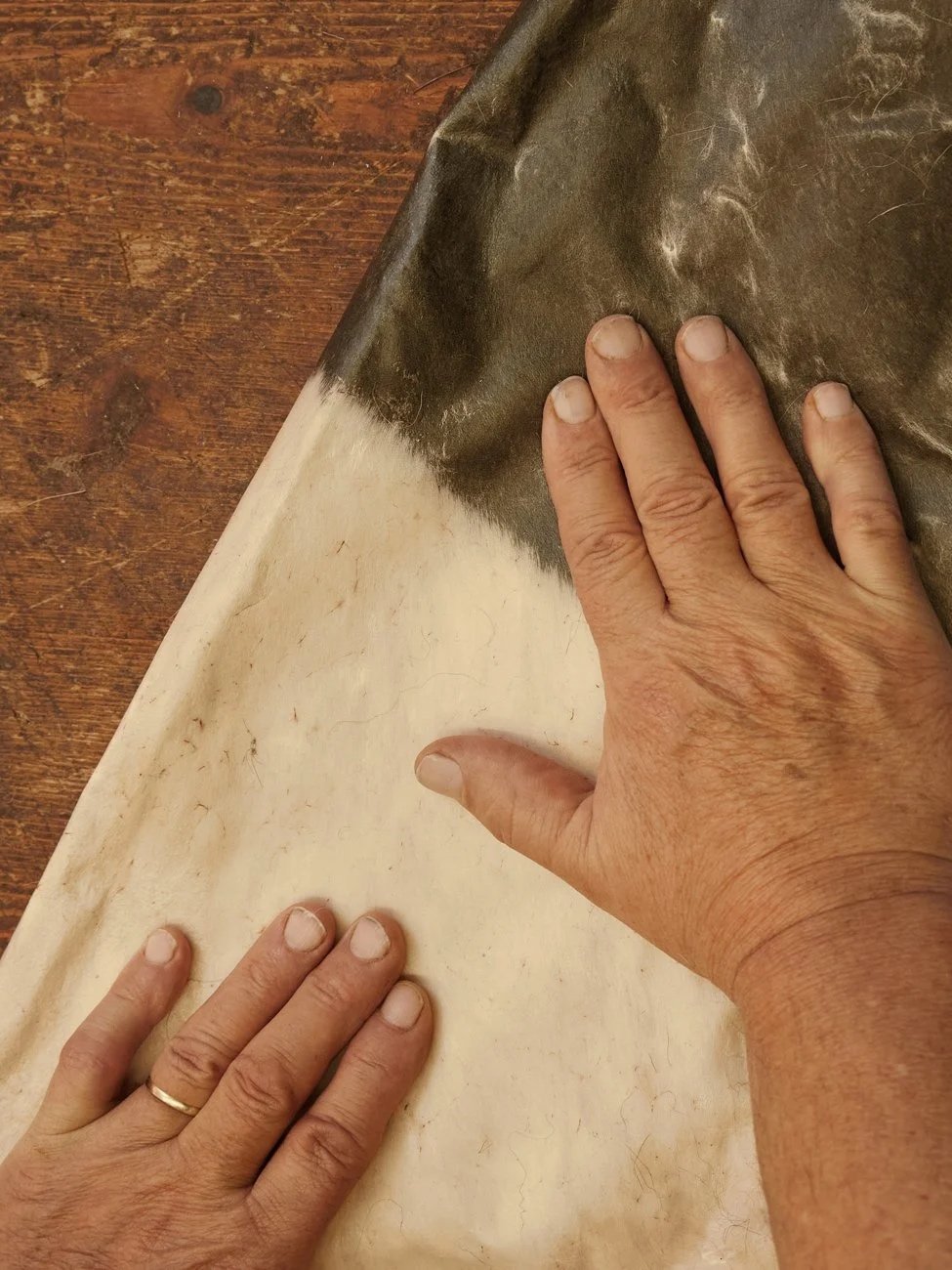
Preservation Immediately after slaughter, the hide is cured to prepare it for tanning. This step is crucial for the subsequent quality of the leather – and is carried out regionally and under controlled conditions by us.
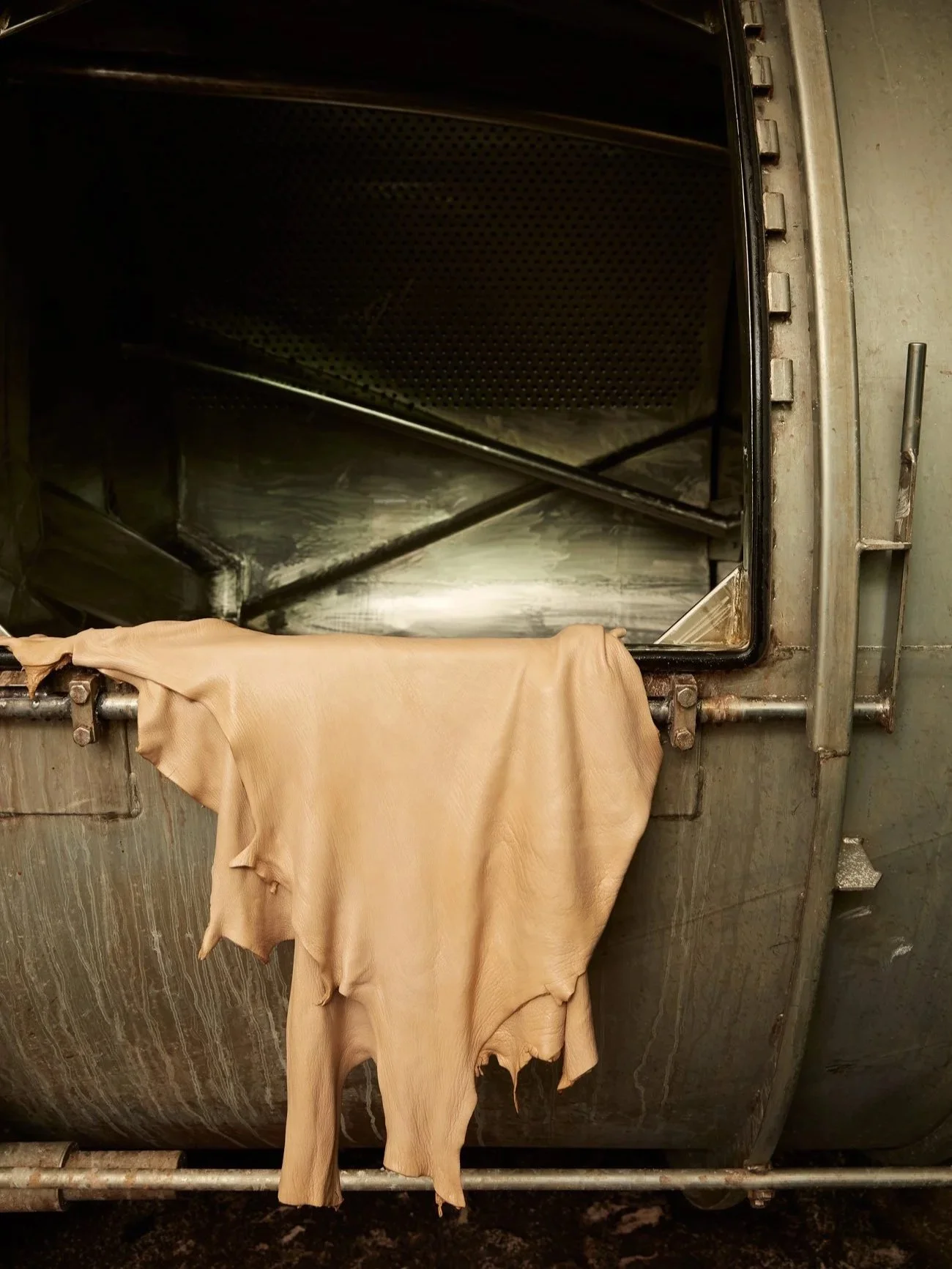
Tanning We exclusively use vegetable tanning – with natural extracts from renewable raw materials, free of chrome and toxic chemicals. This process takes longer than industrial methods, but the result is a leather that breathes, ages, and develops a unique patina.
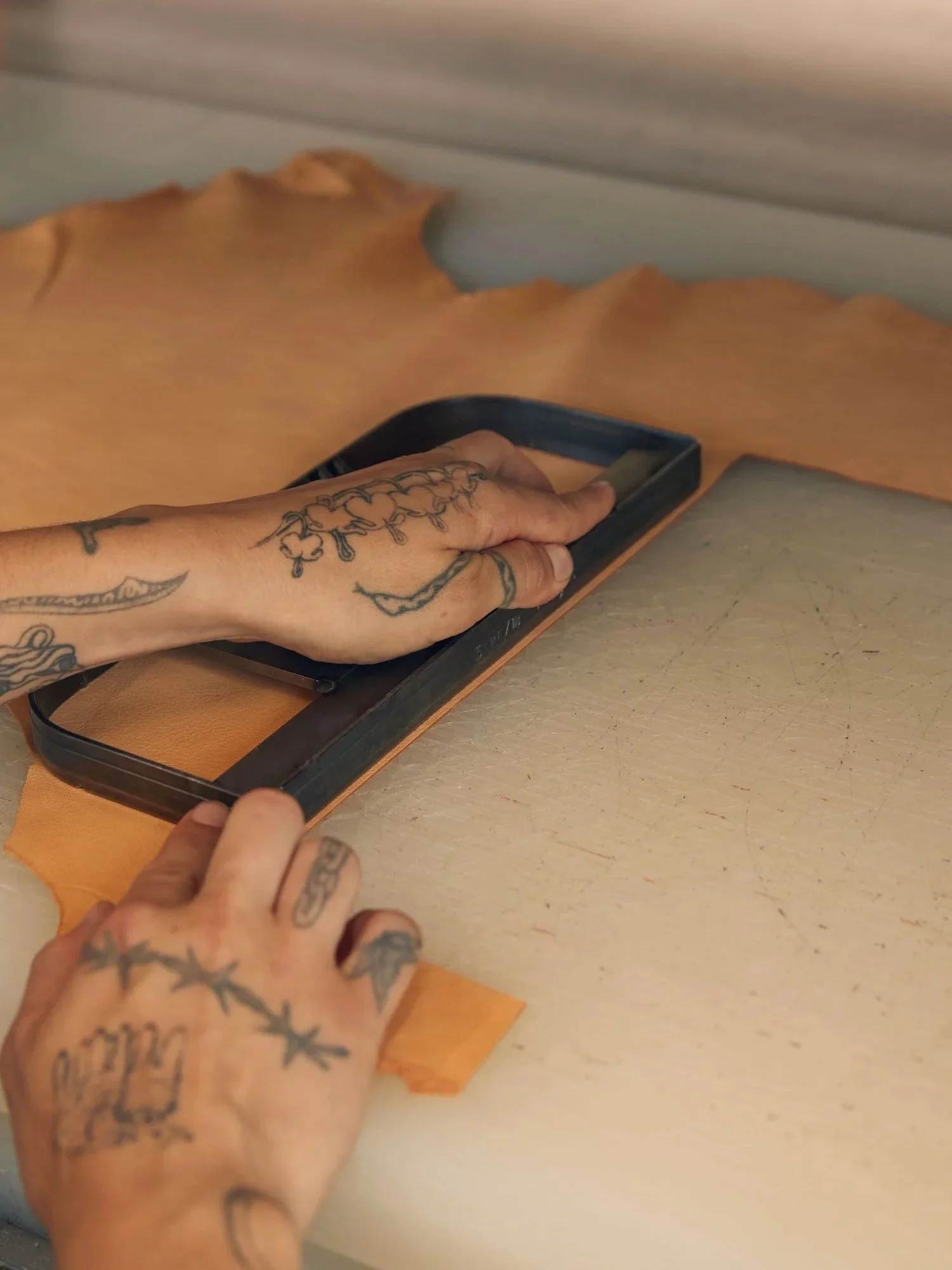
Manufacturing In regional workshops, the leather becomes a finished product – made by hands that know their craft. Short distances, personal relationships, visible work.