
The Impact of the Leather Industry on Agriculture
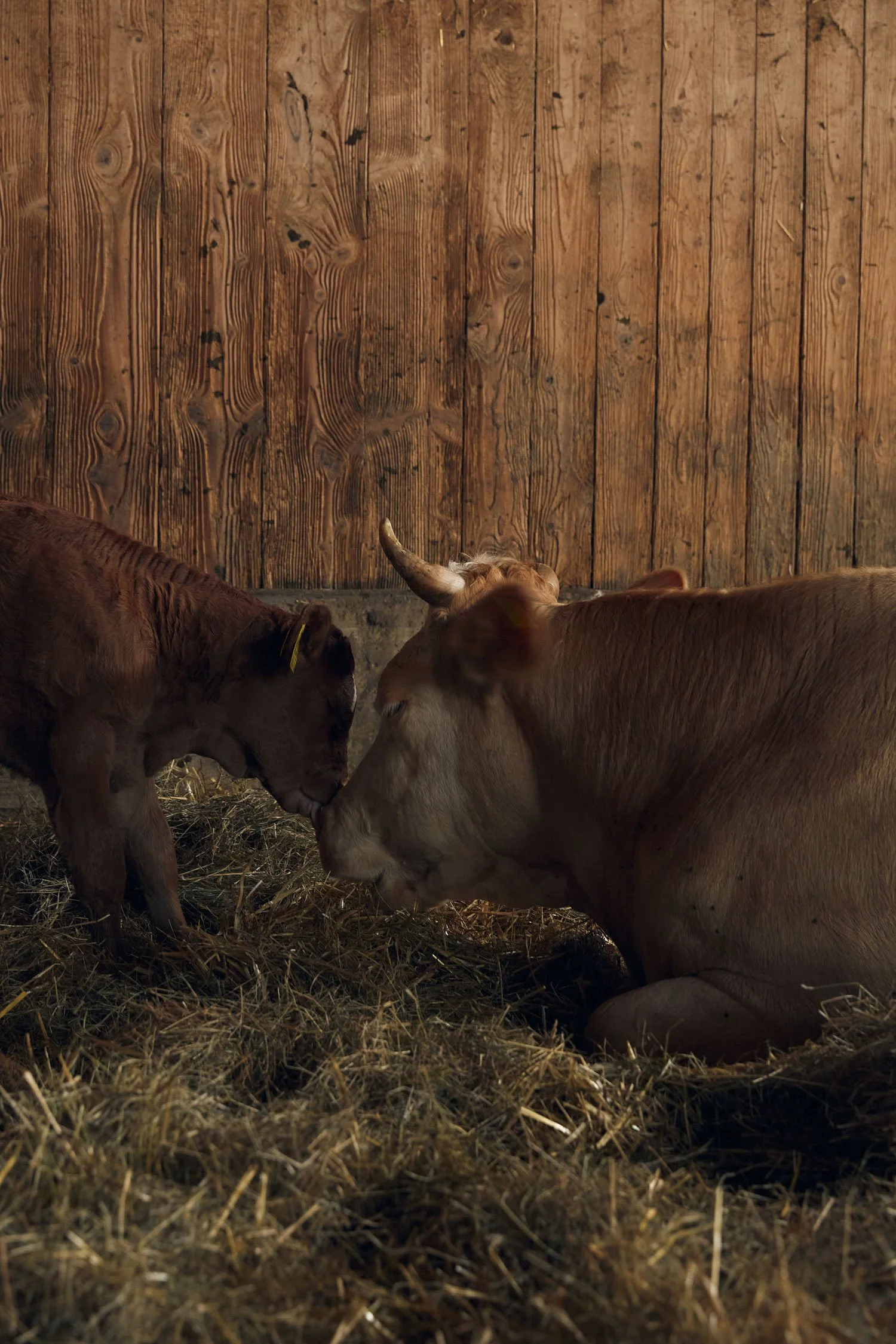
I hear this phrase over and over again: that leather is a driving force behind cattle farming, and that leather consumption is therefore a lever to control how many animals are kept – and above all, how. Less demand for leather equals less animal suffering, so the reasoning goes. That sounds logical, except it has very little to do with the reality of agriculture.
Who pays for the skin – and who doesn't
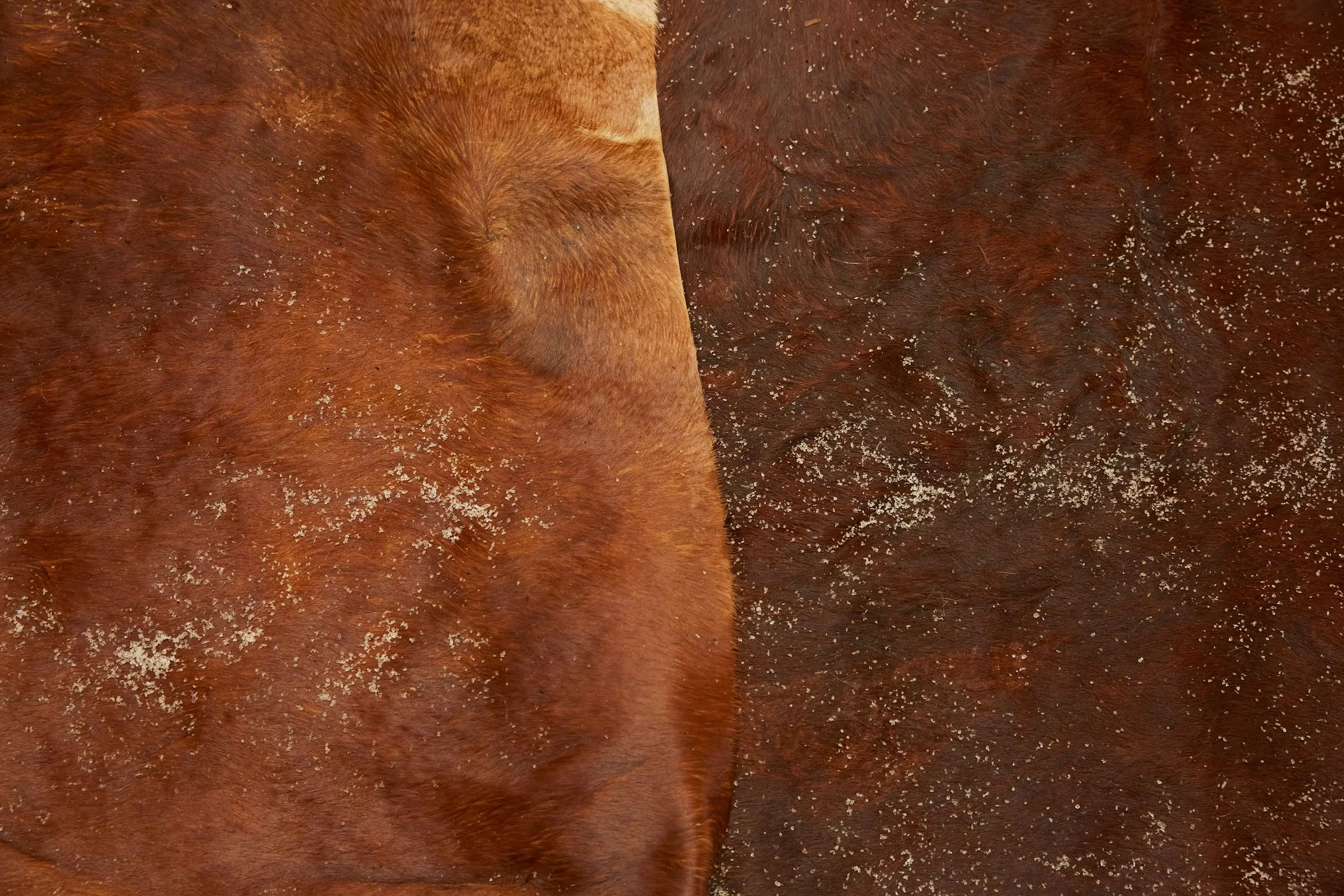
To create leverage, you need an incentive. And when it comes to leather, that incentive simply doesn't exist. Not a single farmer receives anything for a cow's hide. On the contrary, they pay for its disposal, just as they pay to dispose of the other slaughter byproducts that accumulate and account for roughly half of the animal. According to the rates set by the Swiss waste management company TMF Bazenheid, this currently costs between 15 and 20 Swiss centimes per kilo.
While life-cycle assessments of leather mathematically assign a value to the hide—between 1 and 3.5 percent of the animal's total value, depending on the study—this amount almost never reaches the farm or the slaughterhouse. The only exception is calfskins, for which slaughterhouses receive a marginal payment if the quality is good. However, the farm sees none of this. The majority remains with the hide dealer, who takes over, preserves, sorts, and resells the skin. This is also work that should be compensated. In the end, a small amount remains somewhere along the supply chain—just not where decisions about animal numbers and farming practices are made.
What policymakers make of it
Meanwhile, politicians see it the same way. In 2026, the European Commission decided to remove leather from the deforestation regulation—simply because hides are economically too insignificant to make a difference in beef production. Brussels now also says it is no longer a lever. The main driver remains the demand for meat.
Our own supply chain
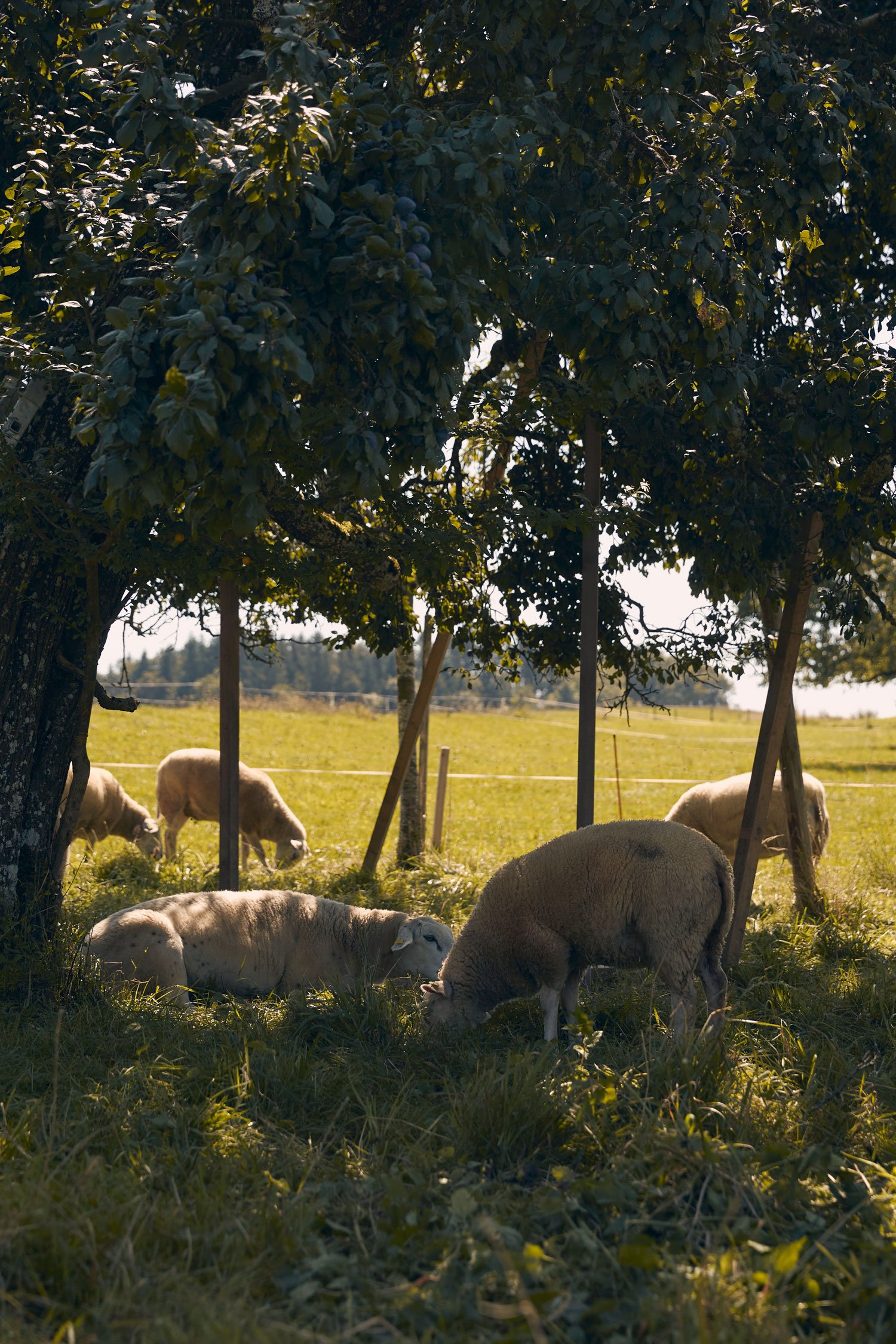
We still care about this. We don't have control over overall demand, but we do have a choice in who we work with. That is why we source our hides exclusively from small Swiss farms practicing suckler cow husbandry, with an average of 16 animals per farm, certified by Bio Suisse or Demeter. Calves grow up with their mothers there, and the animals have access to pasture and movement. "Feed no food" is central to these farms: ruminants only consume what is not directly edible for humans, on land that is entirely unsuitable for arable farming. This does not make CORII a driving force for agriculture as a whole. But it ensures that at least our own supply chain is right.
The lack of demand is most evident in the hides that are not used at all. According to an analysis by the Leather and Hide Council of America, up to 40 percent of all cattle hides produced globally are "lost" every year—around 134 million pieces. Just imagine that number. They are burned or end up in landfills, where their decomposition releases more than 40 million tons of CO2. You don't simply throw away an economically valuable material. Yet that is precisely what happens, while at the same time hundreds of millions of dollars flow into synthetic lab-grown alternatives. In 2021 alone, it was nearly one billion. That makes neither ecological nor economic sense.
The real leverage lies with us
To me, this points to something much more fundamental: we have lost touch with natural processes. We hardly know how an ecosystem works, how a farm operates, or what happens on a pasture – yet we sit at desks in London making far-reaching decisions about what is "sustainable." Often without ever setting foot on a farm or speaking to a farmer.
The true lever for better animal welfare lies elsewhere: in the demand for meat and milk – which we, as consumers, determine with every purchase. Anyone who genuinely wants to make a difference doesn't need to wait for new regulations or point fingers at corporations expecting them to fix things. This responsibility cannot be outsourced. It begins with us.