
A Look Behind "Made in Italy"
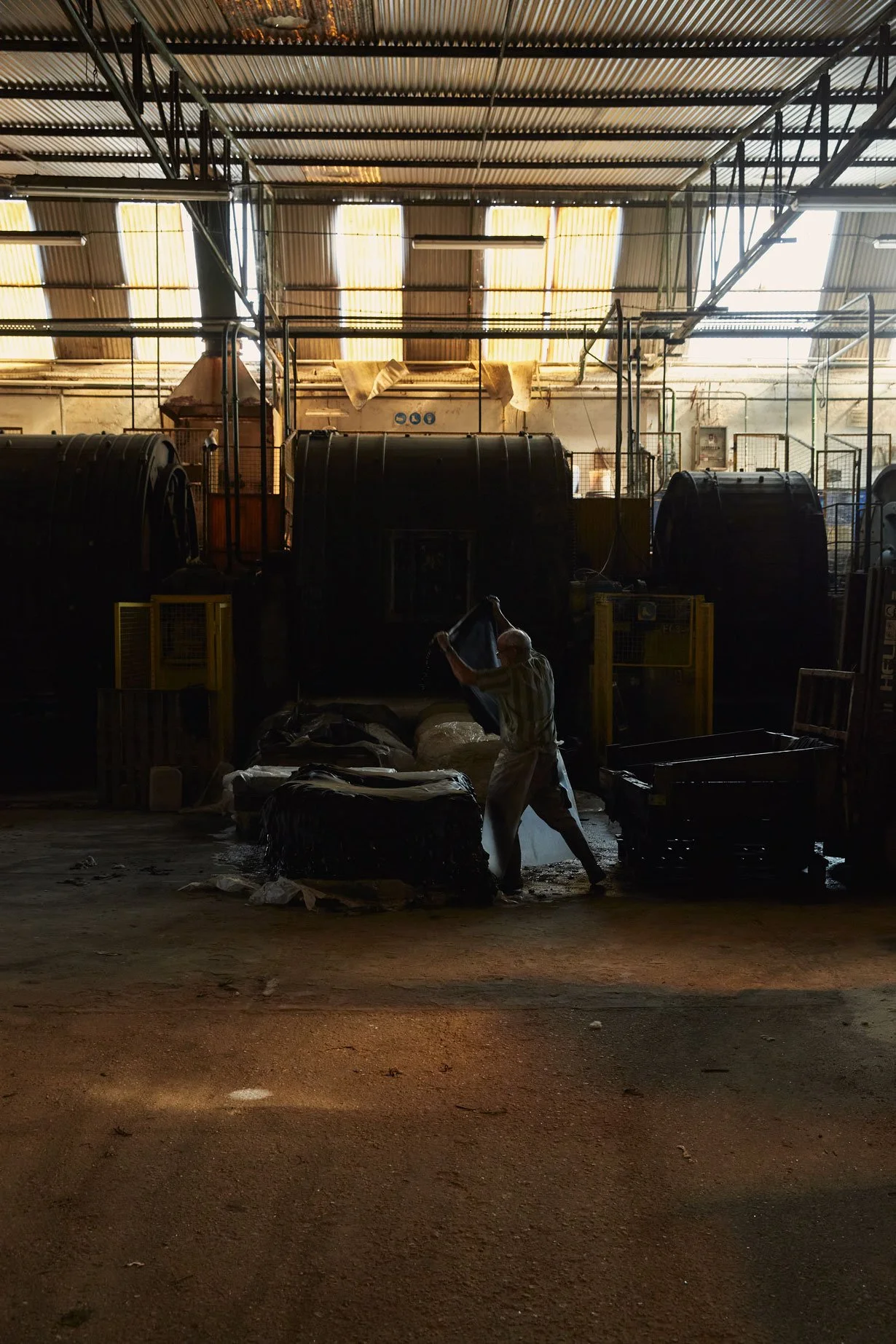
For many, "Made in Italy" automatically stands for the highest quality, craftsmanship, and luxury. This reputation is deeply rooted, especially in the world of leather. Yet, looking behind the scenes reveals a different picture: country of origin and quality promises are not the same thing. And "Made in Italy" is no guarantee of sustainable or responsible production.
Processing center instead of country of origin
While the Italian leather industry is a major processor of leather, research by the Swiss organization Public Eye entitled "A Tough Story of Leather" shows that Italy accounts for only 1% of global raw hides yet generates 17% of the total global value of finished leather. This is a clear indication that Italy is primarily a processing hub rather than a center for livestock farming. At the same time, the Italian tanning industry heavily relies on imported raw materials: according to the same research, 97% of the leather processed in Italy comes from imported raw hides, and only 25% of it is tanned entirely from scratch in Italy—the rest consists of "wet blue" leather pre-tanned abroad and merely finished in Italy. Regarding the raw hides themselves, the study shows that the largest quantities come from France (25.7%), Germany (11.4%), and Great Britain (8.8%), while Brazil (19.6%), the USA (10.6%), and Paraguay (8.1%) lead the way for pre-tanned wet blue leather.
Italy is therefore primarily a processing center, not a farming region. This separation between origin and processing clearly shows that quality cannot automatically be judged by the country of origin.
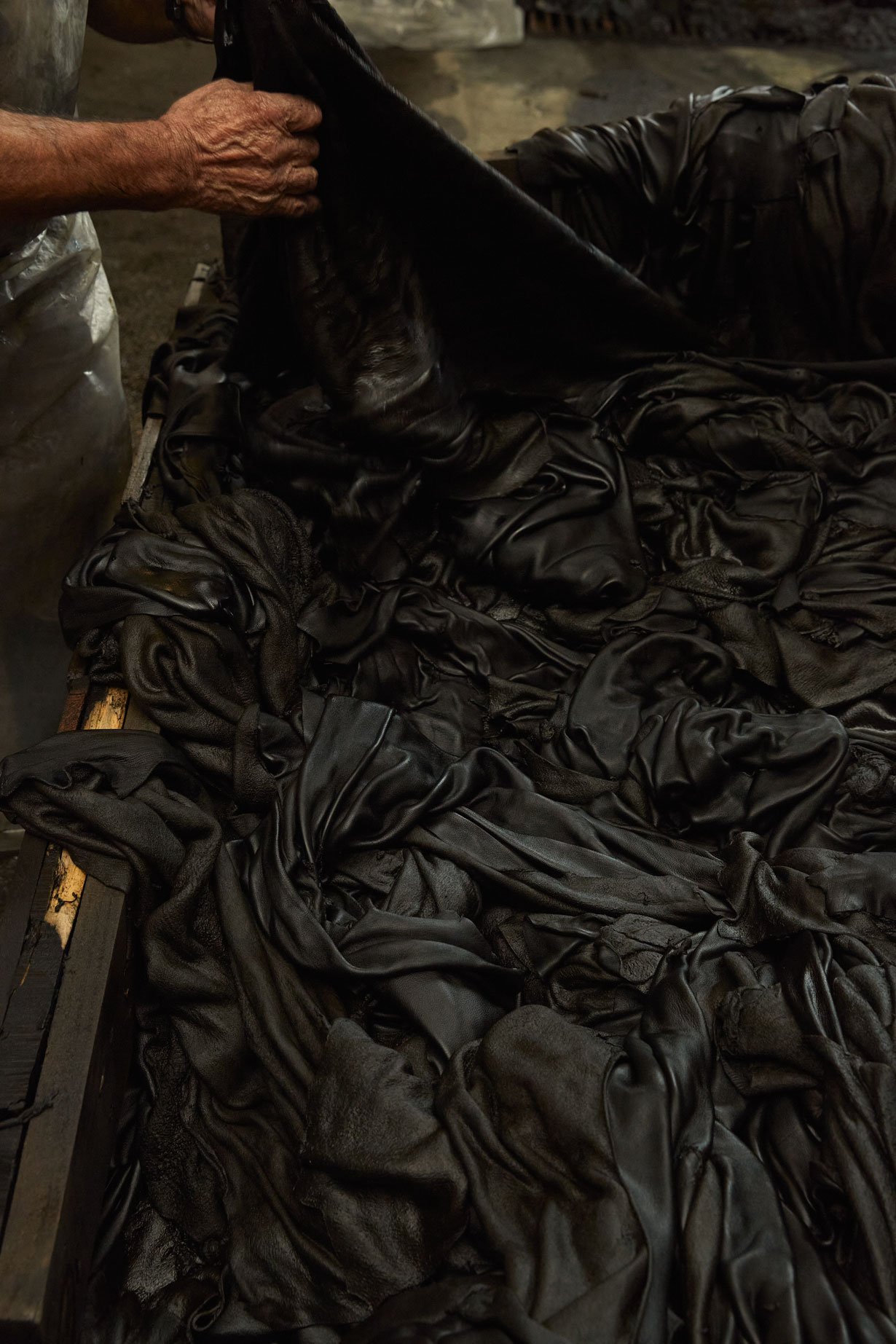
Before a hide becomes "Italian leather," it has often already travelled a long way – from livestock farming abroad to the tannery.
Quality is not a question of zip codes
Hides tanned in Italy can vary greatly in quality depending on animal husbandry, transport, tanning processes, chemicals used, and environmental standards along the entire supply chain. "Made in Italy" does not guarantee any of this. The leather may come from imported raw hides from the Amazon produced under questionable conditions, or processing may fall short of social and ecological standards. Even within Italy, there are significant differences between regions, businesses, and their practices.
The dark sides of the tanning districts
While environmental and labor standards in Italy are stricter than in many production countries in the Global South, challenges remain. Particularly in regions with a high concentration of tanneries, serious problems continually emerge: As reported by the Italian financial newspaper Il Sole 24 Ore, highly toxic residues from tannery production were illegally disposed of for years in the Tuscan tannery district of Santa Croce sull'Arno—one of Europe's major leather hubs—with the involvement of mafia structures. Declared as supposedly harmless construction material, these residues ended up in road foundations, agricultural soil, and infrastructure projects throughout the region. As the daily newspaper Il Tirreno further reports, around 60 contaminated sites are now known across Tuscany, featuring chromium contamination of soil and groundwater. Similarly, in Solofra in southern Italy, another significant tanning hub, officially confirmed cases occur repeatedly: The Italian news agency ANSA recently reported on a tannery that, despite a government seizure, continued to illegally discharge chromium into the Sarno River, a fact also confirmed by official measurement data from the environmental agency ARPAC.
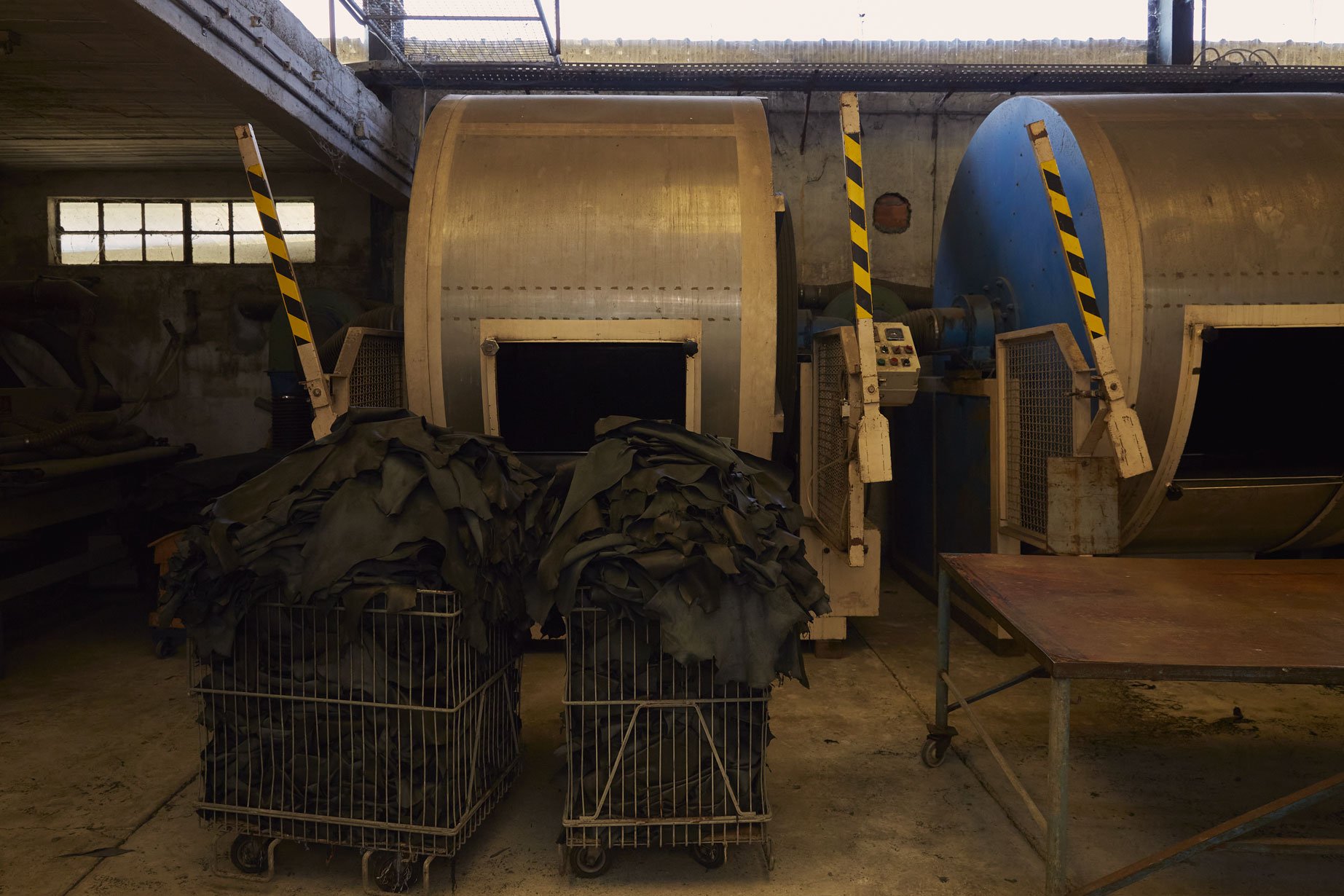
Italian tanneries tan, finish, and process leather; the raw material itself usually comes from another country.
Transparency Instead of Origin Labels
For us, one thing is clear: quality and responsibility are not geographical attributes. "Made in Italy" is an indication of where processing took place – not of the quality of the material or the fairness with which it was produced. That is why we are transparent about where our hides come from, how they are tanned, and the conditions under which they are processed. For us, transparency means making traceability, environmental standards, and social responsibility visible and verifiable across the entire value chain, rather than relying solely on a label of origin.