
Vegan Leather: Why I find this term problematic
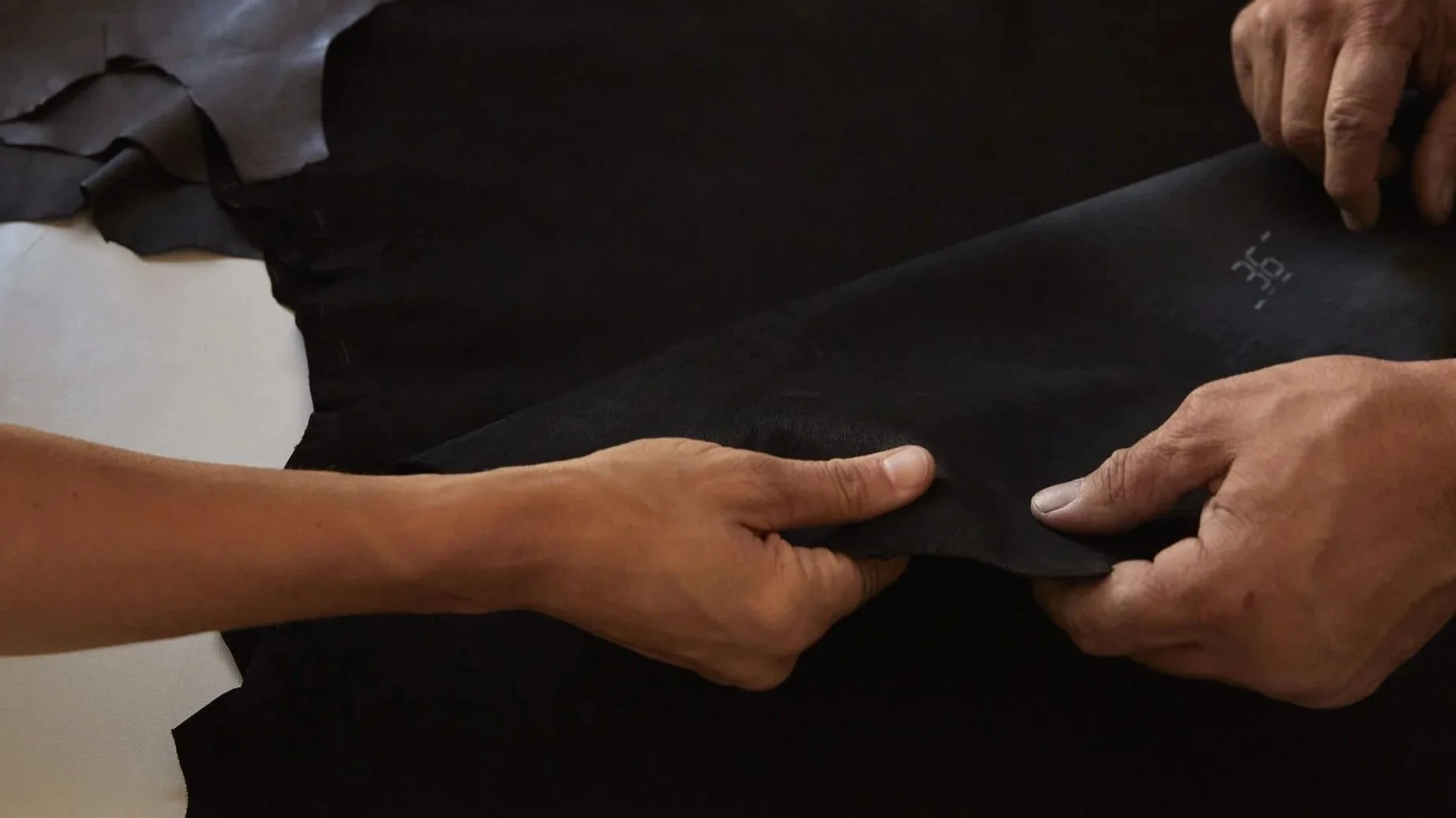
You can feel quality—but it’s determined much earlier: at the source.
I don't wear leather unless I know how the animal lived from which it came. This is my personal principle. I don't want a bag that represents the short, confined life of a factory-farmed animal. Nor do I want trousers that embody the lightless existence of a stall-fed goat. The question I ask myself is therefore the same one I pose regarding so-called 'vegan' leather: What is truly inside?
What's really behind "vegan leather"
The term "vegan leather" evokes plants, nature, and responsibility. The reality is often different. An independent material analysis by the Freiberg Institute (FILK, published in the specialist journal Coatings, 2021) examined nine common leather alternatives, including well-known products such as Desserto made from cactus, Appleskin from apple waste, and Vegea from grape pomace. The result: The majority of these materials consist of polyurethane or PVC, meaning petroleum-based plastic. The plant-based components, which are emphasized in marketing, are largely fillers: biomass embedded in a plastic matrix. The study could not even precisely determine the actual plant content, as manufacturers do not provide transparent information. Furthermore, chemical analysis detected harmful substances in several products: five restricted substances in Desserto, including a pesticide and free isocyanates; butanone oxime in Appleskin; and toluene in Vegea. These are substances classified as concerning under EU-REACH and have no place in products worn on the skin.

Its origin begins on the pasture, not in the factory.
Petroleum is not a neutral raw material
However, pollutants are only one side of the issue; the other lies in the origin of these materials themselves. What is rarely mentioned in this debate is that petroleum is not a neutral raw material. Its extraction leads to the destruction of ecosystems, pollution of oceans, and irreversible annihilation of habitats – while not directly killing an individual (farm) animal, it causes massive, structural animal suffering on a global scale. Leather, on the other hand, is a byproduct of the meat and dairy industry. No animal is killed solely for its hide; its monetary value is less than 1%. Anyone who wears a PU product and believes they are not causing animal suffering is significantly oversimplifying the matter.
Is it even permissible to call this "leather"?
The term itself is also legally questionable. In France and Italy, it is already regulated: materials not derived from animal skin may not be referred to as leather. Within the EU, standard EN 15987 clearly defines what constitutes leather; coated fabrics that carry a leather name do not meet this definition. The confusion becomes particularly evident with products like Appleskin: The apple residues used in it would otherwise have become compost, transforming into soil and returning to the natural cycle. Instead, they are dried, ground, and embedded in polyurethane. The result is a composite material that is difficult to separate, non-recyclable, and whose lifespan is far shorter than that of leather.
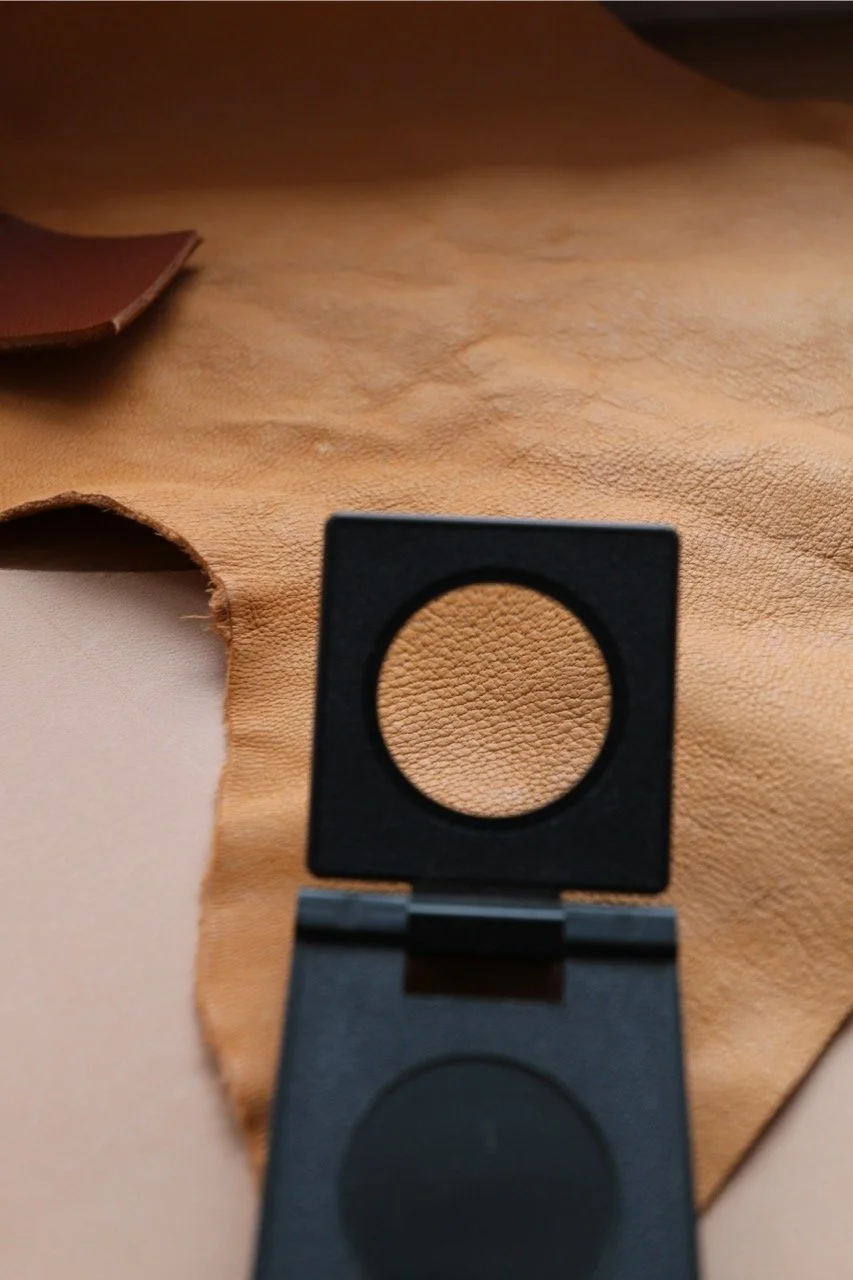
Transparency means you can look closely – down to the last detail.
The question that remains
For me, the question was never "animal or vegan." It's this: What is this material, really? How long will it last? Can it be repaired? What happens when it's finally worn out? And who - which animals, which ecosystems, which people - made it possible, seen or unseen?
Vegetable-tanned leather from an animal that lived on an organic farm's pasture is more honest than a PU composite with apple residues that disintegrates after just a few years. Every individual must make this decision for themselves - but they can only do so if the facts are on the table.
Additional Links:
The Study: FILK Freiberg Institute, published in the peer-reviewed journal Coatings (MDPI), 2021, Title: "Comparison of the Technical Performance of Leather, Artificial Leather, and Trendy Alternatives" Link: https://www.mdpi.com/2079-6412/11/2/226
More about our origins and working methods: About CORII
Frequently asked questions about leather and its origin: Good to know