
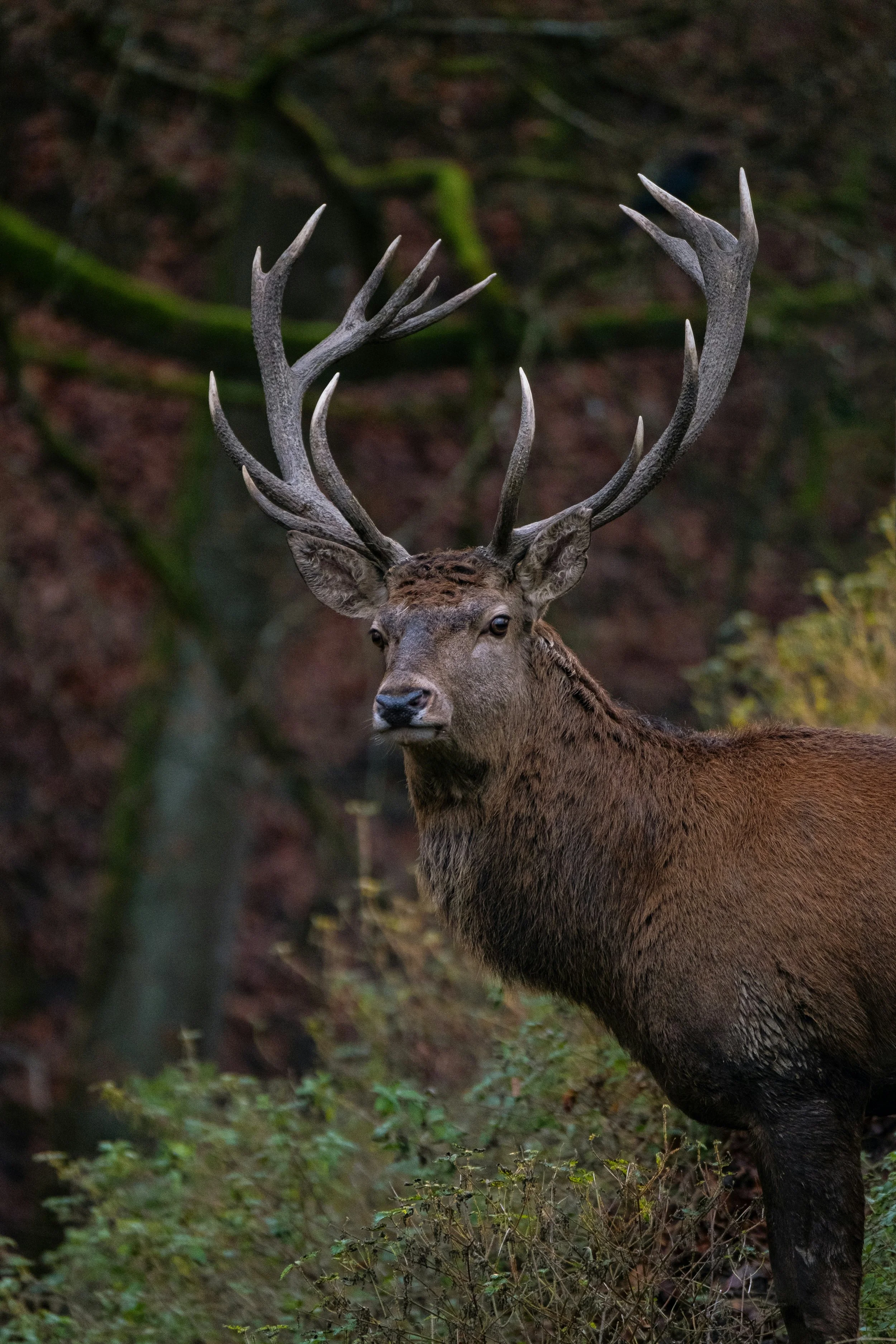
The red deer is part of the alpine landscape of Graubünden.
Every year, red deer are hunted as part of the alpine high hunt in Graubünden. While the meat is used, the hides are usually left unused and disposed of. Yet, they can be used to produce high-quality, versatile leather.
So why is this available raw material hardly used? And what is needed to turn these hides into a material that can be used for shoes, accessories, and other durable products?
A raw material that has rarely been used until now
In Graubünden, the high-altitude hunt has been part of regional culture for generations. It is regulated by law and serves, among other things, to manage wildlife populations. While game meat has a firm place in the regional food supply, the situation is different for the hides: the collection structures and sales channels required for their processing are often lacking. Furthermore, game hides do not occur in the same standardized quantities and qualities as, for example, cattle hides from agriculture.
A hide is a valuable raw material. It can be tanned and processed into a durable material. If it is disposed of, this potential is lost. For us at CORII, this raises a simple question: if the animals are already hunted, why shouldn't we also use their hides?
From deerskin to leather
A raw hide does not automatically become high-quality leather. Numerous steps lie between the hunt and the finished material. The hides must be carefully removed, treated with care after removal, and preserved quickly. This is where it is decided whether they will later be suitable for leather production. Damage, improper storage, or delayed preservation can significantly impair the quality or even render the hide completely unusable.
The hides are then sorted at our facility in Oberdiessbach and processed at our partner tannery, where they are tanned using a purely vegetable-based process. Additional steps determine the softness, thickness, color, and surface texture of the finished leather.
The actual challenge therefore lies not only in finding a suitable tannery. It requires a functioning supply chain, from the collection and preservation of the hides to the processing and provision of the finished material.
This is precisely where our work at CORII comes in.
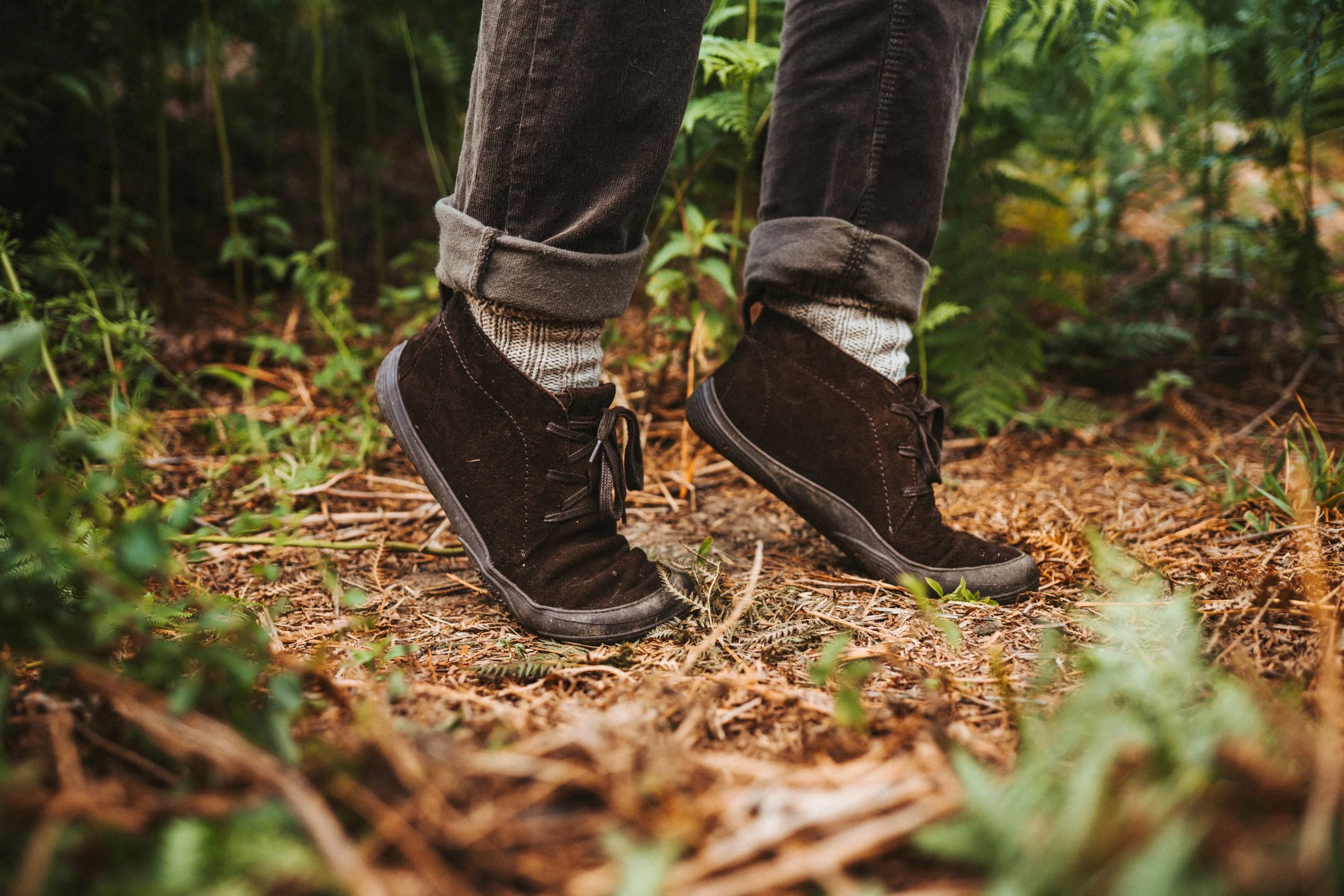
From Grisons red deer hide to finished shoe: Red deer leather in use at Wildling.
® wild.soul.kids_photography
New at CORII: Red deer leather from Graubünden
Previously, we developed and sourced deerskin primarily for projects with other brands. Now, for the first time, we are adding red deerskin from Graubünden to our own leather range. The leather will be available in three colors: black, dark brown, and indigo. There are two thicknesses, 1.2–1.4 mm and 1.6–1.8 mm, and it can also be used on the suede side.
This opens up various possibilities for designers, manufacturers, and brands looking to work with a unique regional material.
Regional materials require functioning supply chains
Talking about regional materials is easy. Making them available in consistent quality and sufficient quantity is significantly more challenging. Especially with wild hides, much depends on factors that cannot be arbitrarily controlled. The hunting season is limited in time, available quantities fluctuate, and the hides vary in size and texture.
That is why close coordination between all parties involved is essential: from collection and tanning to the companies that will later process the leather. For us, this is a vital part of regional material development. We do not simply want to offer new leather; rather, we aim to harness existing resources in a way that creates long-lasting materials and reliable supply chains.
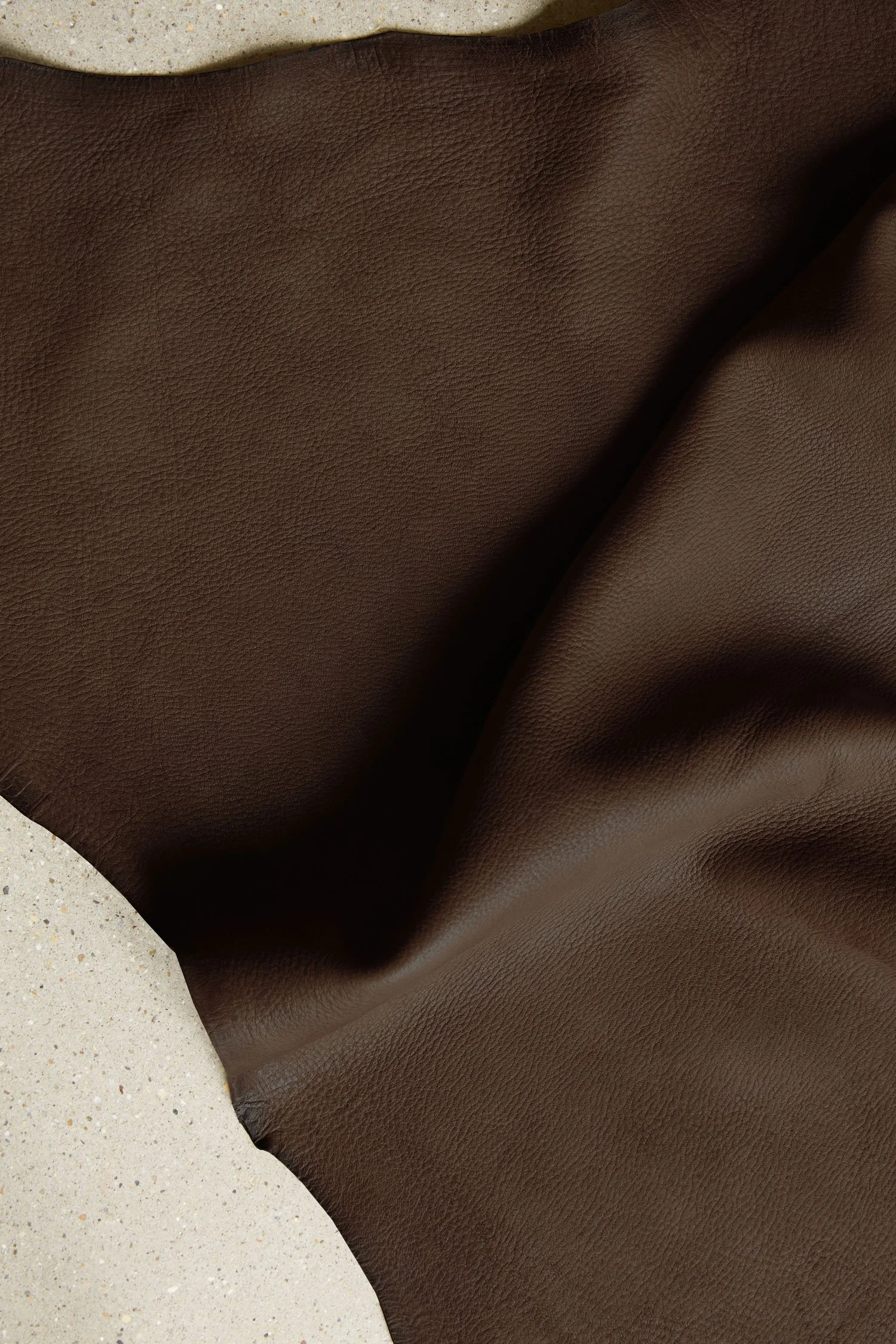
Red deer leather in dark brown.
Make better use of what is already there
Red deer leather will not solve the challenges of the leather industry. And regional origin alone does not automatically make a material sustainable.
However, using a hide that would otherwise be disposed of makes sense to us. It gives value to an existing raw material and creates new opportunities for regional processing and product development.
With our red deer leather from Graubünden, we want to continue working precisely toward this goal.
Are you developing shoes, bags, or other products and would like to use red deer leather from Graubünden? We are happy to advise you on the available qualities, potential applications, and material procurement.