
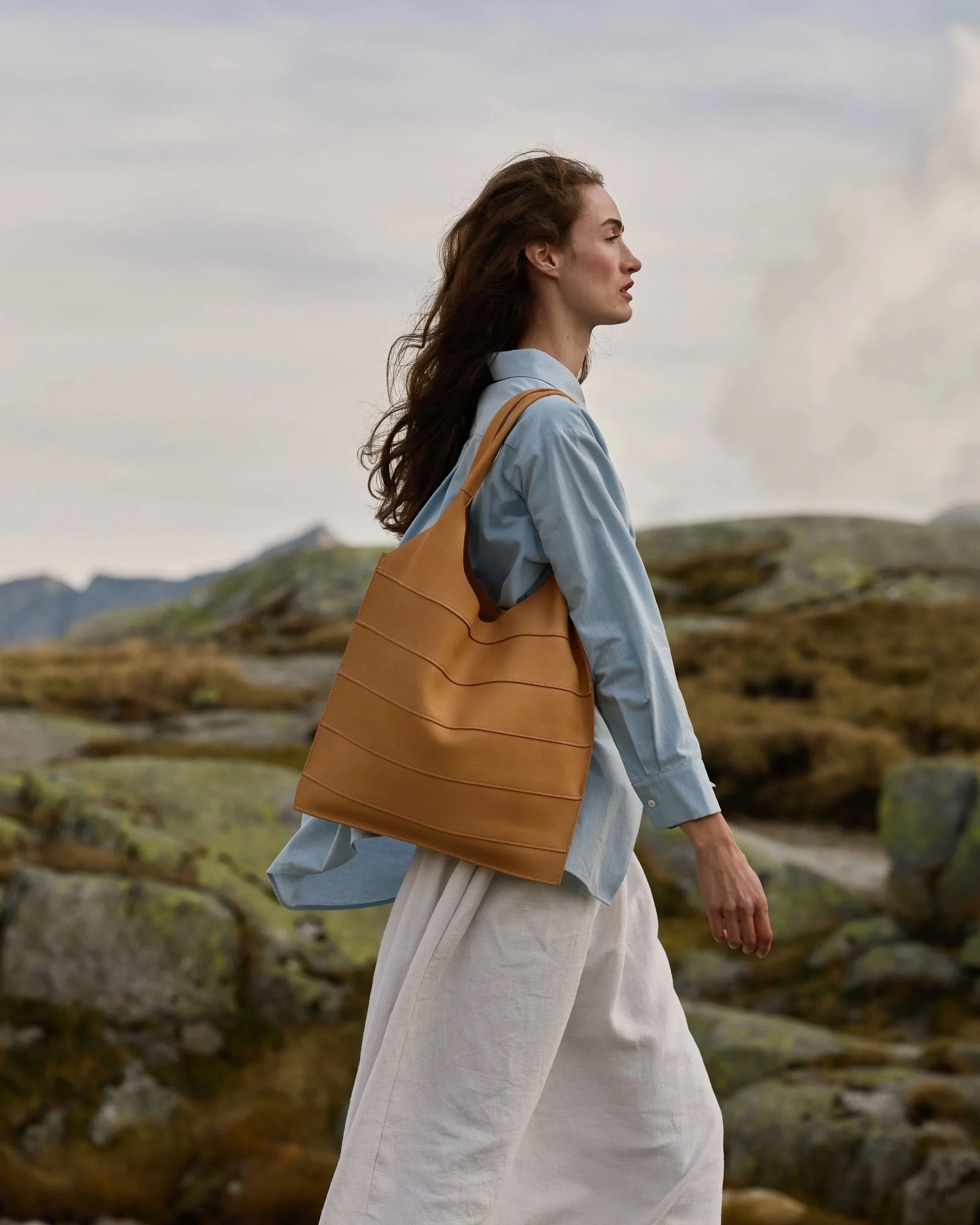
Leather bag made of soft cowhide leather by MARAI.
Not every type of leather is suitable for every product. The animal species, the nature of the hide, the tanning process, and the thickness of the leather all influence how the finished leather behaves. Cowhide, for example, has a different structure than goatskin or deerskin. Accordingly, the qualities—such as strength, flexibility, texture, and surface structure—vary.
When making a selection, it depends on what a product is intended to do: Does the leather need to withstand tension and friction? Should it retain a defined shape or drape softly? How much wear and tear will it be subjected to, and what feel or look is desired?
Here you'll find guidance on which of our vegetable-tanned leathers are suitable for belts, bags, shoes, small leather goods, and clothing.
Leather for belts
A belt is constantly under stress when worn. It must withstand tension, retain its shape, and stretch as little as possible. This requires strong, durable leather.
Our cowhide belt leather is 3.5 mm thick and retains its shape well. It is particularly well-suited for classic belts, where the leather itself is an essential part of the design.
Available in various colors.
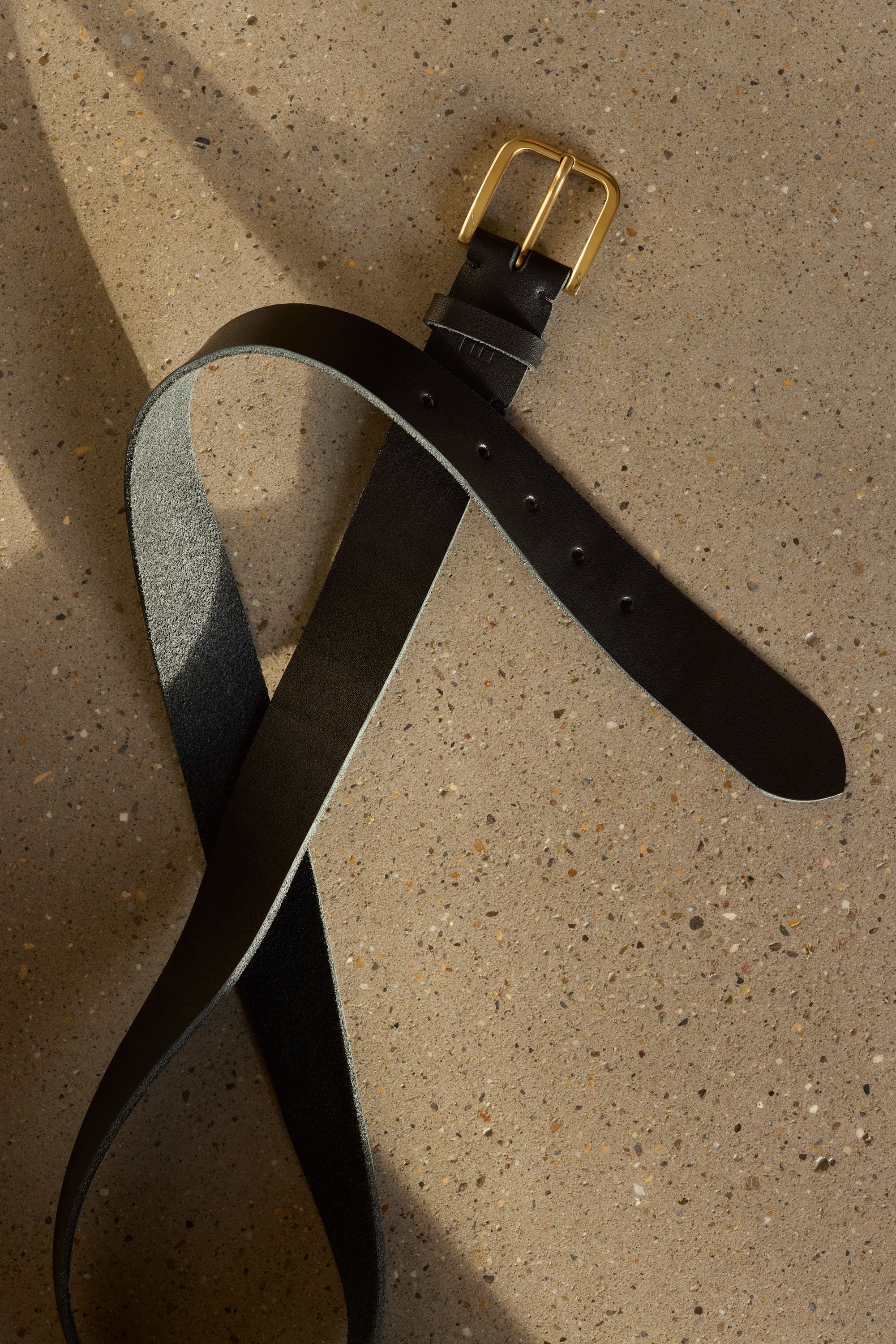
Belt made of black belt leather – 3.5 mm thick. Also available in various colors.
Bags and Backpacks
When it comes to bags and backpacks, the choice of leather affects not only the shape but also the feel and appearance. Stiffer leathers give a bag structure and stability, while softer leathers create a more supple drape.
Smooth cowhide leather (1.8–2.5 mm): suitable for bags with clean lines and a calm, even surface. The leather's natural grain remains visible.
Milled cowhide (1.8–2.5 mm): has a softer feel and a vibrant, pronounced grain. The textured surface makes minor signs of wear less noticeable.
Smooth, polished leather (1.3–2.5 mm): suitable for clean shapes and designs with finely finished edges, such as those crafted by hand.
Goatskin (0.8–1 mm): is a good choice for the lining of bags. It is thin, supple, and flexible, so it doesn't add much bulk.
The best leather thickness depends in part on the construction. A bag with a reinforced structure places different demands on the leather than a model whose shape is defined solely by the material.
Shoes: Sneakers, Sandals, and More
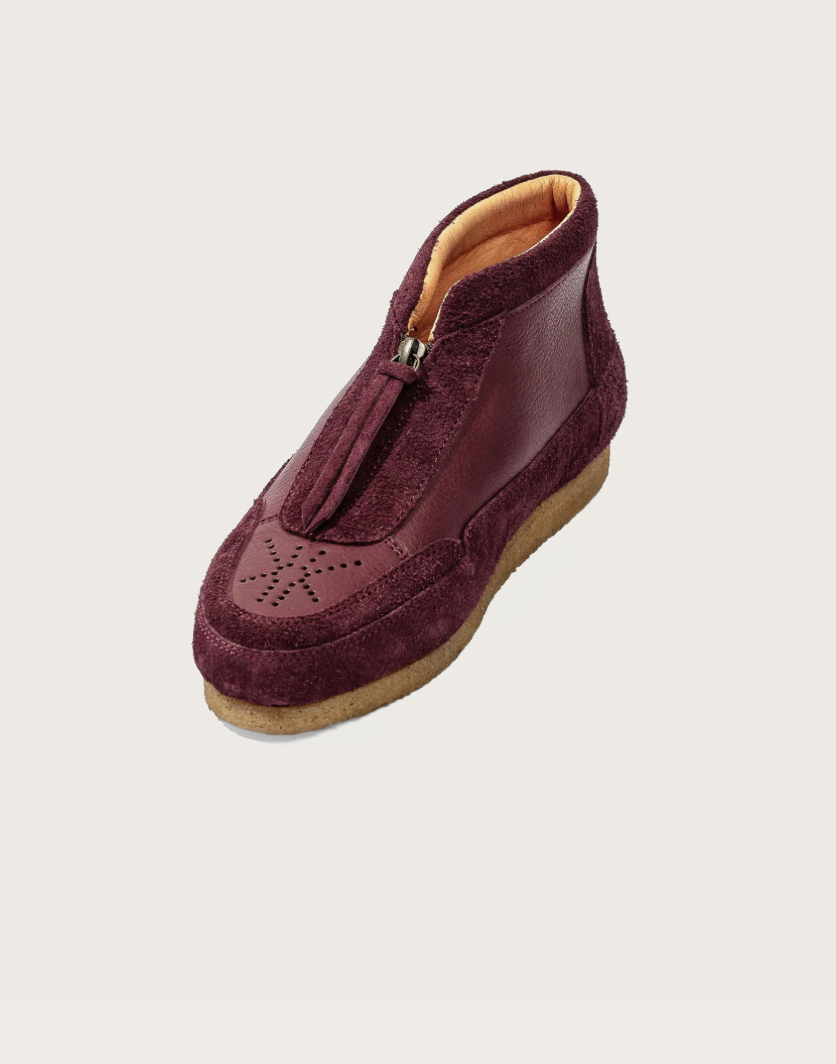
Depending on the type of shoe and its construction, different types of leather may be used. For comfortable everyday shoes like sneakers, soft, supple leathers that mold to the foot are preferred. Grained cowhide or deerskin, for example, are well-suited for this purpose. Depending on their quality, both can be used as nappa leather with a smooth surface or as suede with a velvety surface.
Undyed goatskinis a good choice for the lining. It is thin, soft, and flexible, and is suitable for shoes that require a supple lining.
For sandals, on the other hand,smooth cowhide leathercan be a good choice. It has a clean, smooth surface and is well-suited for styles where the leather remains visible and helps define the shoe’s shape. The appropriate thickness and quality depend on the construction and the desired comfort.
Leather for wallets and small leather goods
When it comes to wallets, card holders, and other small leather goods, the key is finding the right balance between durability and flexibility. The leather should be as slim as possible, yet it must retain its shape and function even with frequent use.
Plain leather: In thinner gauges, it is suitable for exterior components that require a certain degree of strength and dimensional stability.
Kid leather (0.8–1.0 mm): is soft, fine, and flexible. It is suitable for interior compartments and other parts that require thin, supple leather.
Red deer leather: With its various thicknesses, it offers additional possibilities for small leather goods. Its soft feel and distinctive surface give the products a unique material character.
Depending on the product, different grades of leather can also be combined—for example, a dimensionally stable leather for the exterior and a thinner, more flexible leather for the interior compartments.
Leather for Clothing and Gloves
Leather clothing and gloves must allow for freedom of movement and be comfortable to wear. This requires thin, supple materials that conform to the body.
Kid leather (0.6 mm): Our thin garment leather is exceptionally flexible and is ideal for garments such as jackets. It is soft and supple, yet durable enough for everyday use.
Red deer leather: Even the thinner gauges are suitable for clothing. Depending on the desired texture and surface appearance, it can be used to make a jacket, for example.
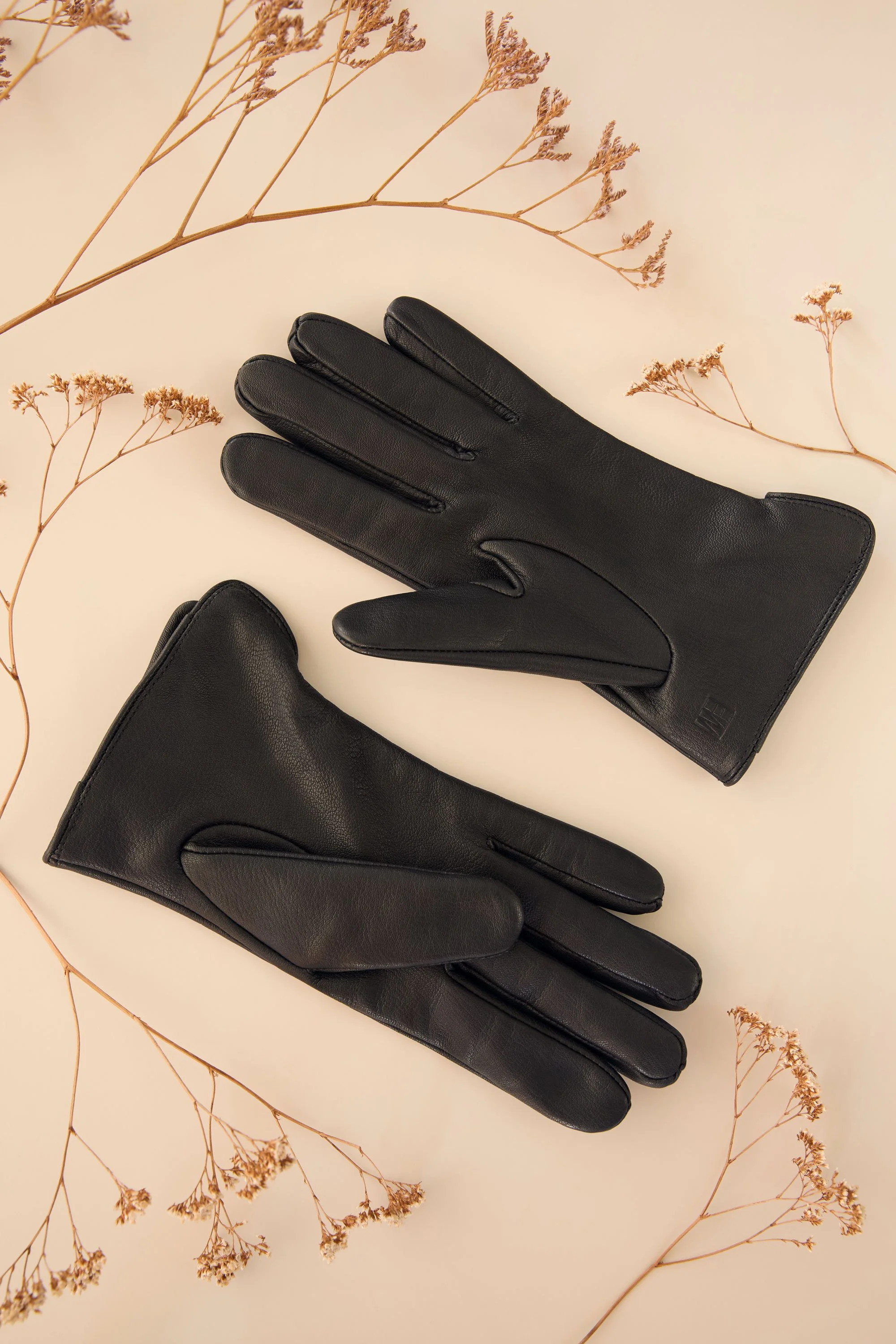
MARAI gloves made of black goatskin.
Find the Right Leather for Your Product
The right leather grade always depends on the specific product. In addition to the type of animal and the thickness of the leather, the construction, workmanship, and desired finish also play a role. Sometimes it makes sense to combine different leather grades within a single product.
You can order samples of our leather grades for CHF 10.– and test them directly for your project. The minimum order quantity is one hide or pelt. Depending on the grade, cowhide is also available as a shoulder, croupon, half-hide, or double-hide.
Are you developing a product and still unsure which type of leather is right for it? We'll help you with material selection and product development—from the initial idea to finding the right leather grade.